| Hoşgeldin, Ziyaretçi |
Sitemize gönderi yapmadan önce kayıt olmanız gerekmektedir.
|
| Çevrimiçi Kullanıcılar |
Şu anda 152 çevrimiçi kullanıcı bulunmaktadır.
» 0 Üye | 148 Ziyaretçi
Applebot, Baidu, Bing, Facebook
|
|
|
| Silksong's Godhome Mod Turns Any Boss Fight Into a Practice Arena |
|
Gönderen: xtameembb - 14-08-2026, 06:18:45 - Forum: İlim
- Yanıt Yok
|
 |
The silence of a boss arena had become a familiar kind of pressure by 2026. Hollow Knight: Silksong had built a reputation as a breathtaking, needle-sharp maze where bosses didn’t simply sit at the end of a level—they seemed to relish the fight. Some players adored that cruelty. Others, let’s be real, just wanted a breather.
The conversation around difficulty grew loud enough that Team Cherry’s first content patch took aim at several of the most talked-about encounters, smoothing out rough edges and dialing down moments that felt less like a great challenge and more like a bad joke. A second update soon followed with a different mission: bug fixes rather than another round of difficulty adjustments.
But while the developers were recalibrating the main path, modders were building side doors.
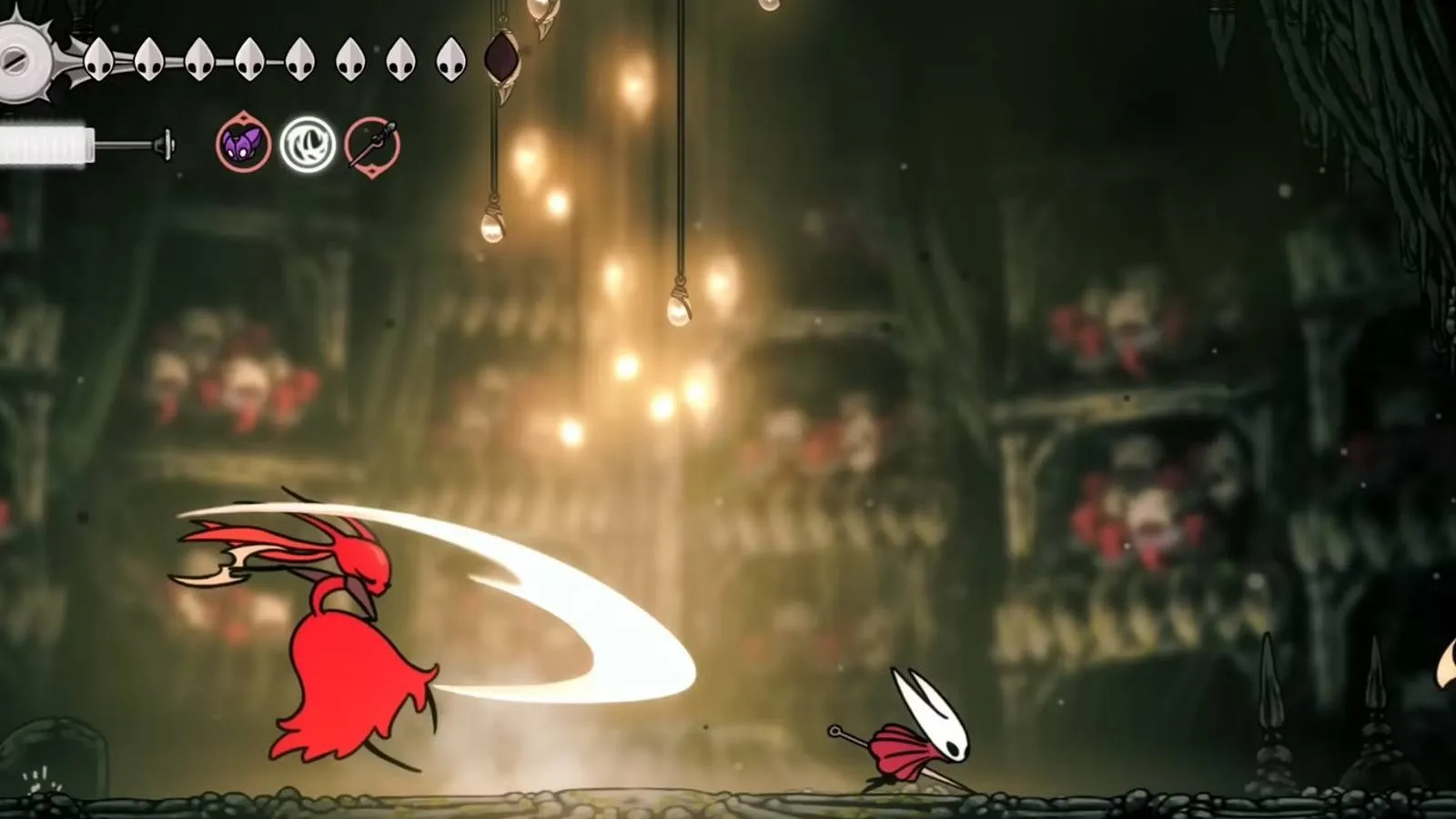
Early community mods made the game fairer and added small quality-of-life touches. Then Godhome appeared, and it did something different entirely.
According to Rock Paper Shotgun, Godhome gave players the ability to load into any boss fight in Silksong whenever they pleased. It wasn’t a difficulty mod. It was more like a backstage pass. Instead of asking someone to run through the same corridors, swat away the same fodder, and endure the same walk of shame back to an arena, Godhome opened a menu and said, “Pick your poison.”
The mod worked by selecting a boss from a dedicated menu. From there, the game took the player to the closest point to that boss that could be achieved purely through scene loading. Most of the time, that meant dropping the player directly in front of the boss. There were some exceptions, because not every arena could be reached so cleanly, but the convenience was still enormous.
This was not the same approach as that infamous Elden Ring mod that turned every enemy into Malenia. Godhome wasn’t about chaos or making Silksong absurd. It was about focus. A player could skip the busywork, get extra practice against one stubborn boss, or build the entire game into a self-made boss rush. For anyone who had spent hours thinking, “I just need ten more attempts at this fight,” the mod was a piece of cake.

A quick breakdown of what Godhome offered:
Any boss, on demand – Players selected a boss from the mod menu instead of reaching it through normal traversal.
Smart placement – The game loaded the closest achievable point to that boss, usually right at the arena door.
Some exceptions – A few bosses couldn’t be reached directly through scene loading, so the drop point was merely close.
Boss rush potential – By skipping ordinary enemies and navigation, players could chain fights back to back if they wanted.
Approach
Standard Silksong Run
Godhome Mod
Boss access
Requires travel and clearing enemies
Direct menu selection
Practice pacing
Sparse attempts with long gaps
Instant replays on demand
Save safety
Normal progression risk
Potential save file corruption
Of course, the real kicker was the warning. The mod itself cautioned that save data could become corrupted, and that players should use it at their own risk. That wasn’t a tiny footnote. Bending Silksong’s world to skip its careful structure had a cost, and anyone who wanted a shortcut to the bosses was asked to accept the gamble.
Still, for many players, that risk was worth it. Silksong’s difficulty had already become endless discourse fodder throughout 2025 and into 2026, especially as awards-season debates heated up. Some players left negative reviews on Steam out of pure frustration. Others wanted tools to learn, survive, and eventually master the fights that had humbled them.
Godhome fit neatly into that second camp. It didn’t make the game easier in the traditional sense. It didn’t reduce boss health, add invincibility frames, or soften the enemy patterns. What it changed was friction—the time spent getting back to the lesson.
By 2026, that felt like exactly the kind of quality-of-life magic the community had been asking for. Silksong’s bosses may still be ruthless, but with Godhome, they no longer had to hold their arena doors so far away.
That same fixation on removing friction often extends beyond the game itself. Once players have spent enough time mastering a boss or tracking down a hidden area, they start applying the same logic to the way they buy games—why scroll through a dozen storefronts when you can check prices in seconds? Tools that cut out the noise are exactly what this community gravitates toward, whether the goal is saving time in Silksong or saving money on the next big release.
That's where a platform like DealNest comes into play. It scans the market, surfaces meaningful discounts, and lets you find the best deal without the usual tab-hopping hassle, so you can spend less time shopping and more time actually playing.
|

|
|
| Silksong Spider Strings Guide: Unlocking and Using the Yellow Tool |
|
Gönderen: xtameembb - 14-08-2026, 05:56:28 - Forum: İlim
- Yanıt Yok
|
|
In Hollow Knight: Silksong, Act 2 is full of odd tools, but Spider Strings might be one of the most puzzling pickups in Songclave. The Yellow Tool’s description reads like it was written by a very sleepy cartographer, leaving many players unsure whether it’s a combat upgrade, a lore key, or just another shiny object for Hornet’s inventory. As it turns out, it is a little of all three—once the unlock path is clear.
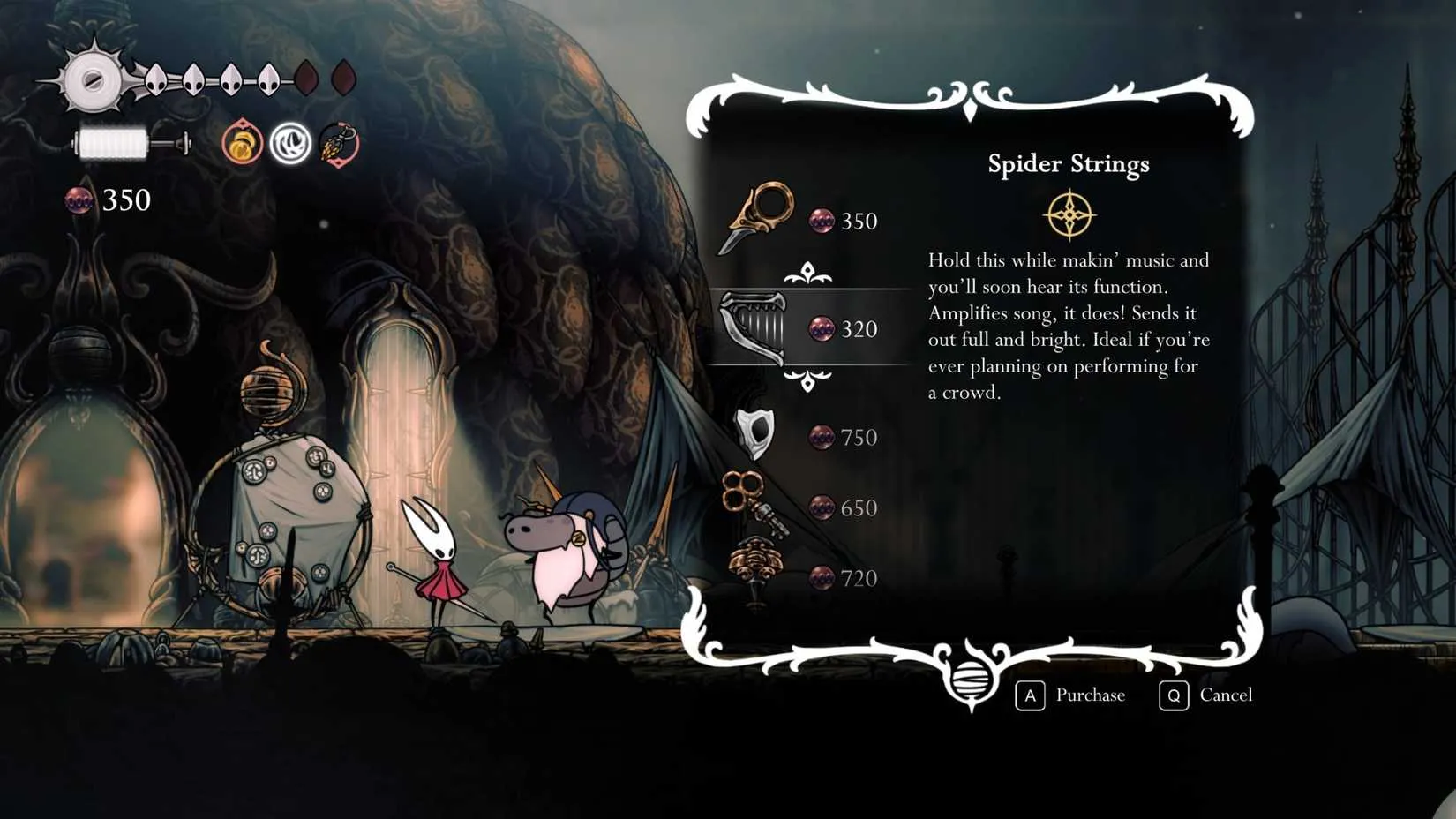
How to Get Spider Strings
Spider Strings can be purchased from Jubilana in Songclave for 320 Rosaries during Act 2 of Hollow Knight: Silksong. The catch is that the item does not appear in Jubilana’s stock right away. Players first need to complete a small chain of Wishboard quests before the strings go on sale.
Jubilana is introduced as a merchant after “The Wandering Merchant” Wish is completed. At that point, she sets up shop in Songclave, but her inventory does not yet include Spider Strings. The Yellow Tool only becomes available after “The Lost Merchant” Wish is granted. The Lost Merchant does not appear immediately, however; it requires players to finish a series of prerequisite quests on the Songclave Wishboard before it unlocks.
Detail
Information
Tool type
Yellow Tool
Cost
320 Rosaries
Vendor
Jubilana
Location
Songclave
Unlock condition
Complete “The Wandering Merchant” and “The Lost Merchant”
Primary effect
Expands and strengthens Needolin’s area of effect
Combat note
Wider stun, but Hornet cannot attack while playing
Here is the basic unlock path:
Complete “The Wandering Merchant” Wish in Songclave.
Clear the prerequisite Wishboard quests that open “The Lost Merchant.”
Grant “The Lost Merchant” Wish.
Return to Jubilana after she comes back to Songclave.
Purchase Spider Strings for 320 Rosaries.
Once those steps are finished, Jubilana will have the Spider Strings Tool available in her inventory. The extra effort is worth it for players who enjoy digging into Silksong’s hidden interactions, but it is, frankly, a steep price for an item that sounds like a sewing accessory.
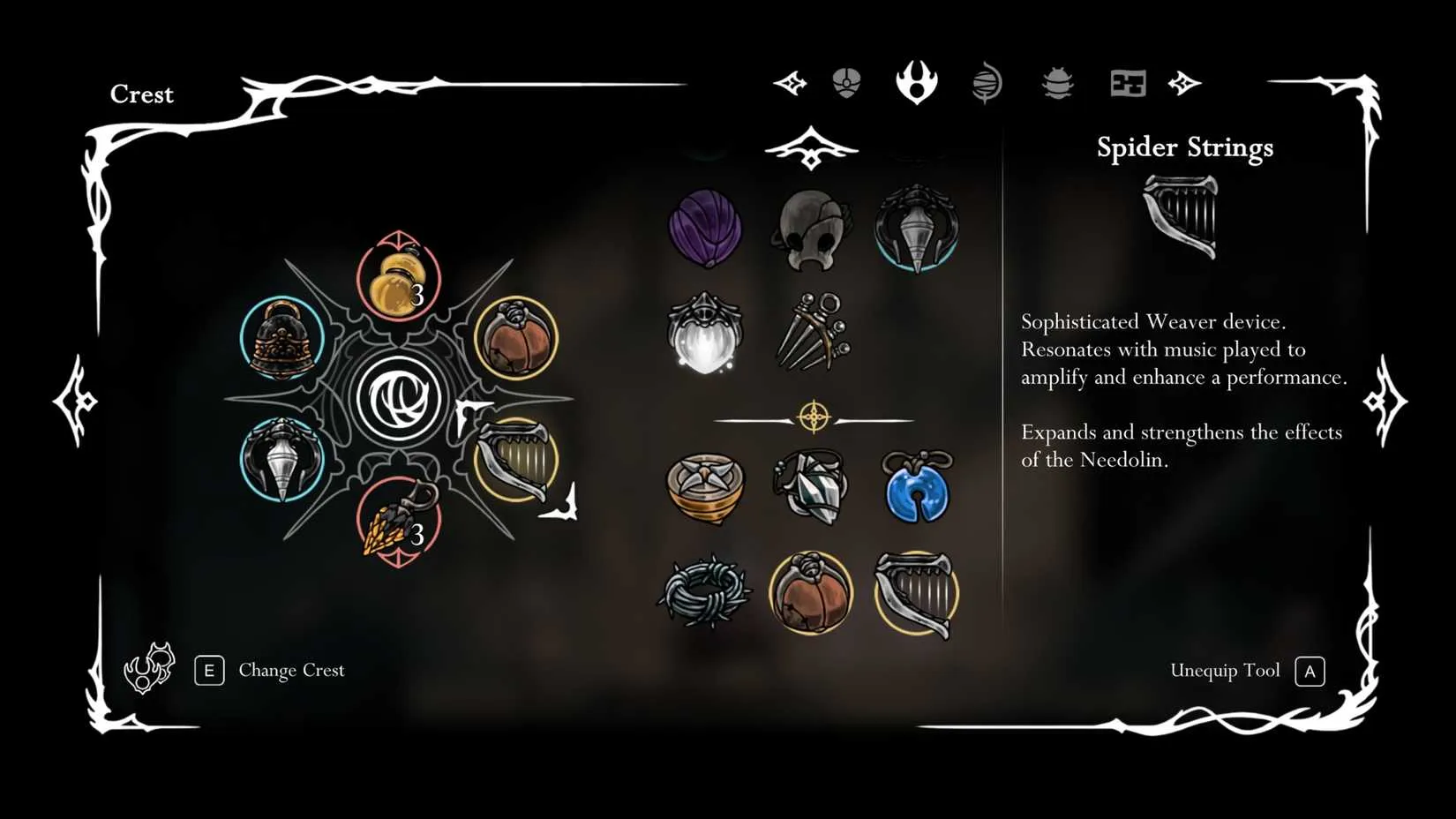
What Does Spider Strings Actually Do?
The in-game description says Spider Strings “expands and strengthens the effects of the Needolin.” That wording is vague enough to make anyone pause. In practice, equipping Spider Strings makes the Needolin’s effect cover a larger area of effect, shown by a white halo that surrounds Hornet while she plays.
This boosted version of the Needolin also has special interactions in various areas across Silksong. Some locations will reveal hidden dialogue and lore when Hornet plays the strengthened song, and those secrets remain otherwise inaccessible without the Tool.

Is It Worth Using in Combat?
In fights, the expanded range means players can stun more enemies with the Needolin at once. However, Hornet cannot attack while playing, and even other Tools like Cogfly do not offset that downtime. So while the wider stun looks impressive, it offers no real tactical benefit during battles.
That said, the Spider Strings still has a quiet utility for explorers. Because it lets Hornet affect faraway enemies, players can hear their exclusive “songs” as they are lulled into a trance more easily. Without the Spider Strings, getting close enough to trigger those reactions would be far more dangerous.
So, spider strings are not a boss-melting combat upgrade. They are better understood as a lore-expanding utility item that makes the Needolin more effective for exploration and hidden secrets. If that sounds useful, it is probably worth chasing down Jubilana’s questline. If not, at least there is a very pretty glowing halo to show for the trouble. As of the 2026 update cycle, the unlock requirements remain unchanged, making this the current path to securing the Yellow Tool.
For players who are still on the fence about investing the time to unlock Spider Strings, it helps to remember that Hollow Knight: Silksong itself is a game that rewards patience and curiosity. The quiet joy of uncovering hidden dialogue or stumbling into an unexpected interaction is the real payoff here, not raw combat power. Before you commit to another playthrough or start a fresh save just to chase this Yellow Tool, it is worth making sure you are getting the best value for your purchase in the first place. Whether you are picking up Silksong for the first time or revisiting it after the 2026 update, it never hurts to check game prices and see if a better deal is available before you dive back into the kingdom.
At the end of the day, Spider Strings is the kind of item that only truly shines for completionists and lore hunters. If that sounds like you, the journey through Jubilana’s questline is a memorable side adventure in its own right. But if you are weighing whether the time spent is worth it, a quick price check can help you decide how much value you are truly getting out of your Silksong experience overall.
|
|
|
|
| Silksong's Steep Difficulty Curve Is All Hornet's Fault, Says Team Cherry |
|
Gönderen: xtameembb - 14-08-2026, 04:57:05 - Forum: İlim
- Yanıt Yok
|
|
It’s been over a year since Hollow Knight: Silksong finally graced our screens—September 4, 2025, a date etched into the memories of patient fans everywhere—and yet the gaming community still hasn’t fully caught its breath. No, not from the exhilaration. From the sheer, unrelenting brutality of it all. The sequel to 2017’s beloved Hollow Knight landed like a needle-knitted meteor, and the difficulty leap left many players wondering if they’d accidentally signed up for a masochism simulator. Now, Team Cherry has cracked open the mystery with a refreshingly candid explanation: the whole thing is Hornet’s fault. And honestly, she isn’t even sorry.

Let’s rewind a bit. After years of memes, clown makeup, and desperate speculation, Silksong arrived as an indie game with the hype engine of a AAA blockbuster. And within hours, the conversation pivoted from “Is it finally out?” to “Why am I dying to the first crawling grub?” The early-game experience felt less like a warm hug and more like a stern lesson from a needle-wielding ballet instructor. A rapid hotfix “slightly” nerfed two early boss encounters, but the perception stuck: Silksong is hard. Like, really hard. Cue the developer response at the ACMI Game Worlds Exhibition, where Ari Gibson and William Pellen laid their cards on the table.
The crux of it? Hornet isn’t just a skin swap for the Knight. She’s a whole different beast. “Hornet is inherently faster and more skillful than the Knight – so even the base level enemy had to be more complicated, more intelligent,” Gibson explained. Let that sink in. The poor, unsuspecting ant warrior you meet in the first area? It wasn’t lazily ported over from Hallownest. It was lovingly redesigned to counter a protagonist who moves like a caffeinated spider. The basic foot soldiers now mirror the original Hornet boss fight from the first game—dashing, leaping, and, get this, evading. Yes, enemies now actively dodge your attacks. Imagine walking into a cafe and having the barista parry your coffee order. That’s Silksong.

But here’s where the team’s design philosophy gets delightfully sneaky. Team Cherry didn’t just crank the difficulty knob to eleven and walk away. They built an entire labyrinth of alternatives. “The important thing for us is that we allow you to go way off the path,” Gibson said, his words probably accompanied by a knowing smirk. One player might bash their forehead against a boss for three hours; another might vanish into the Coral Forest, discover a crafting schematic that flips the encounter on its head, and come back whistling. Exploration isn’t just a side dish—it’s a potent difficulty-slider disguised as curiosity. The game practically winks at you: "Stuck? Go get lost. Seriously, just wander off."
This approach means Silksong respects a player’s cunning as much as their reflexes. You can learn a boss’s every twitch, memorize attack patterns until you dream in needle-flicking choreography... or you can find the back door. “Or even circumventing the challenge entirely,” Gibson added. There’s a quiet empowerment in realizing that a terrifying gatekeeper can simply be sidestepped by scaling that suspiciously climbable wall. It’s Metroidvania-level freedom taken to its logical, slightly cheeky extreme.

Now, let’s talk about those enemies for a second. William Pellen dropped a fascinating tidbit: “The basic ant warrior is built from the same move-set as the original Hornet boss.” They then added the ability to check you—like a hockey player anticipating your dodge—because Hornet’s agility demanded it. In Hallownest, the Knight’s foes were mostly reactive punching bags. In Pharloom, every bug is a tiny, ferocious tactician. It’s as if the entire ecosystem evolved solely to humble Hornet. And the result? Every skirmish feels personal, a fencing match where both participants understand the rules.
Does this mean the game is unfairly punishing? Well, the player counts seem to suggest otherwise. On September 6, 2025, just two days after launch, Silksong’s Steam concurrent players peaked at over 587,000. For comparison, the original Hollow Knight maxed out at a modest 95,655 back in its day. That’s not a bump; that’s a hornet swarm. People aren’t just playing; they’re embracing the struggle, sharing war stories, and forming support groups. The difficulty hasn’t scared them away—it’s become the centerpiece of a new, masochistic community tradition.

There’s a beautiful irony here. Hornet, the very character who taunted the Knight from ledges and impaled their fragile shell, is now the one learning what it feels like to be outclassed. And Team Cherry, ever the benevolent puppet masters, simply smiled and said, “She’ll manage.” The sequel doesn’t water down its heroine to match the world; it elevates the world to match her. For players, that means gritting your teeth, maybe crafting a less-awful tool (goodbye, C-tier, we hardly knew ye), and remembering that running away is always a viable strategy.
So, is Silksong too hard? Nah. It’s just honest. And if you’re still struggling a year later, maybe—just maybe—you’re the one who hasn’t kept up with Hornet’s insane standards. She’s waiting in the Dust Fields, tapping a needle impatiently. Better late than never, right?
Feature
Hollow Knight (2017)
Hollow Knight: Silksong (2025)
Protagonist & Movement
The Knight: stoic, heavy, limited agility
Hornet: acrobatic, blindingly fast, builds momentum
Base Enemy Design
Simple attacks, predictable patterns
Complex move sets, evasive maneuvers, adapted from former boss mechanics
Difficulty Philosophy
Gradual escalation, gentle introduction
Sharp spike early on, but freedom to detour and craft bypasses
Community Reception
Loved for melancholy and challenge
Embraced as a celebration of hardcore perseverance, 587K concurrent players
? Let’s be real: if the basic ant has your number, you’re not alone. Pour one out for all the hollowed husks left in Greymoor. Then craft a better needle and try again. Hornet would want it that way.
Perhaps that’s the real legacy of Silksong—not just a punishing metroidvania, but a reminder that the most rewarding adventures often demand the most from us. For those who’ve just finished draping Hornet’s newest cape over their shoulders, or for those still stubbornly clinging to the Dust Fields, the itch for another challenge doesn’t fade easily. The community’s appetite for brutal platformers and intricate exploration runs deep, and many players are already scouting for their next obsession.
The good news is that you don’t have to empty your Geo pouch to feed that hunger. Sites like DealNest keep a sharp eye on PC game discounts, so you can snag everything from indie darlings to AAA epics without waiting for a seasonal sale to align with your patience. Whether you’re hunting for a game that makes Silksong feel like a morning stroll or simply want to grab a copy for a friend so they can suffer alongside you, a little legwork on the right platforms goes a long way. And much like Hornet herself, the smartest players are always prepared.
|
|
|
|
| This 756-HP Cadillac ATS-V Is a Six-Speed Manual Monster |
|
Gönderen: xtameembb - 14-08-2026, 04:29:31 - Forum: İlim
- Yanıt Yok
|
|
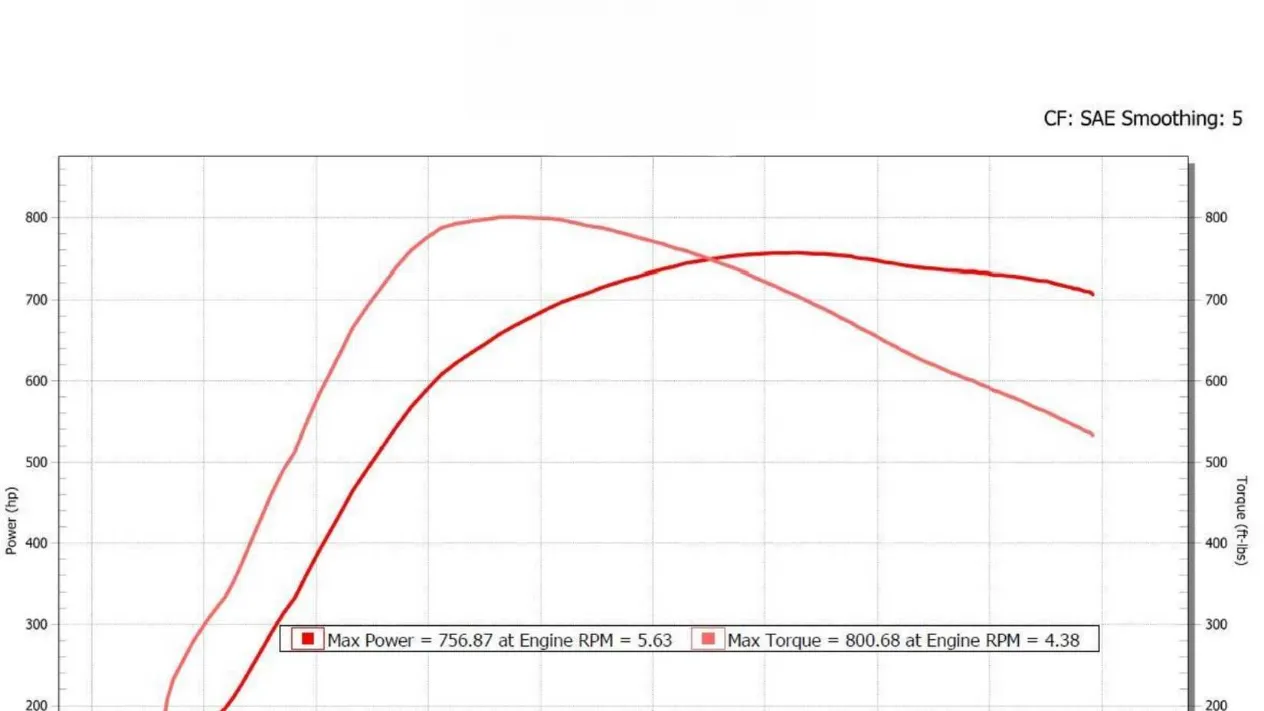
I'll be honest with you: I have a real weakness for four-door sleepers that can humble muscle cars, and this heavily modified 2018 Cadillac ATS-V made me do a double take. In factory trim, the ATS-V's 3.6-liter twin-turbo V6 was no slouch, cranking out 464 horsepower and 445 lb-ft of torque and launching the little luxury sedan to 60 mph in roughly four seconds. But this car isn't stock. Not even close. It now puts down 756 hp and 800 lb-ft of twist, which is the kind of number that makes a Hellcat owner check the rearview mirror. That, my friends, is absolutely bananas.

Honestly, the ATS-V never got the love it deserved when it was new. It was sharper than a lot of the German stuff at the time, and the twin-turbo V6 had plenty of punch. But 464 hp from the factory was just the appetizer. This owner decided to skip the main course and go straight to dessert. To nearly double the output without turning the engine into glitter, the seller went bananas with the parts list. We're talking fresh turbochargers, an upgraded throttle body, an aftermarket fuel system, and methanol injection just to keep the party lit. The cylinder heads are held down with upgraded studs, the intercooler is new, and there are fresh camshafts and valve springs in there too. The clutch got swapped for something that can actually handle all that torque, which is a must because this ATS-V still rocks the six-speed manual. Three pedals, baby. In 2026, that alone is a unicorn spec.

Here's a quick look at how the numbers stack up:
Spec
Stock
Modified
Horsepower
464 hp
756 hp
Torque
445 lb-ft
800 lb-ft
Transmission
6-speed manual
6-speed manual with upgraded clutch
Fuel
Premium gasoline
E85 + methanol injection
Real talk: that torque figure is the kind of number that can snap axles if you launch it wrong. Making mega power is never easy, and this Cadillac needed plenty of supporting mods to deliver those 756 horses without immediately grenading itself.
Now, the elephant in the room: the seller says this car has been driven less than 1,000 miles since all those pricey upgrades. That makes me raise an eyebrow. If I dropped that kind of coin on a build, I'd be driving it every chance I got. The seller notes it's tuned for E85 along with the methanol injection, which is a serious setup. But at 756 hp, one bad tank of gas could turn that engine into an expensive paperweight. Maybe the owner is just cautious, or maybe they know something the rest of us don't. There's also a squeak in the provided videos, possibly from the chassis or drivetrain, so I'd want a solid pre-purchase inspection before writing a check.

Aside from the wild driveline work, the car itself looks pretty clean. The listing mentions a few minor chips and scratches, some underbody corrosion that's likely just light rust, and one wheel with a bit of curb rash. Nothing that screams abuse. The odometer sits at about 22,700 miles and it has a clean Ohio title, so it hasn't been completely thrashed since new. Still, the small stuff adds up if you're picky.

When this thing hit Cars and Bids, the clock was ticking fast. If I remember right, the high bid had just crept past $30,000, which honestly feels like a lot of performance for the money — assuming the engine doesn't hand you a huge repair bill. At the end of the day, a 756-hp, six-speed-manual Cadillac sleeper is the kind of build that makes car culture fun. Would I daily it? Probably not. Would I grin like an idiot every time I spooled those turbos? You bet.
That hunt for a good deal is a familiar feeling, whether you're watching a 756-hp ATS-V climb on Cars and Bids or keeping an eye on the games you've had your eye on for months. A little patience and the right timing can make all the difference between overpaying and walking away with something that feels like a steal.
For anyone whose passion runs more toward gaming, that same rush comes from catching a great price on a title before it goes back up. If that sounds like you, it's worth checking out the steam sale tracker on DealNest to keep tabs on discounts across your wishlist so you never miss the right moment to buy.
|
|
|
|
| Unlocking the Plasmium Phial's Hidden Potential in Hollow Knight: Silksong |
|
Gönderen: xtameembb - 14-08-2026, 04:07:37 - Forum: İlim
- Yanıt Yok
|
|
As Hornet's journey through the sprawling kingdom of Pharloom continues to captivate players, a seemingly humble tool has risen to legendary status among the community. The Plasmium Phial, initially appearing as a simple defensive aid, conceals a depth of strategy that can redefine combat encounters and speedrun routes. With the right knowledge, this tool can be acquired remarkably early, offering a significant advantage long before facing the game's most formidable bosses.
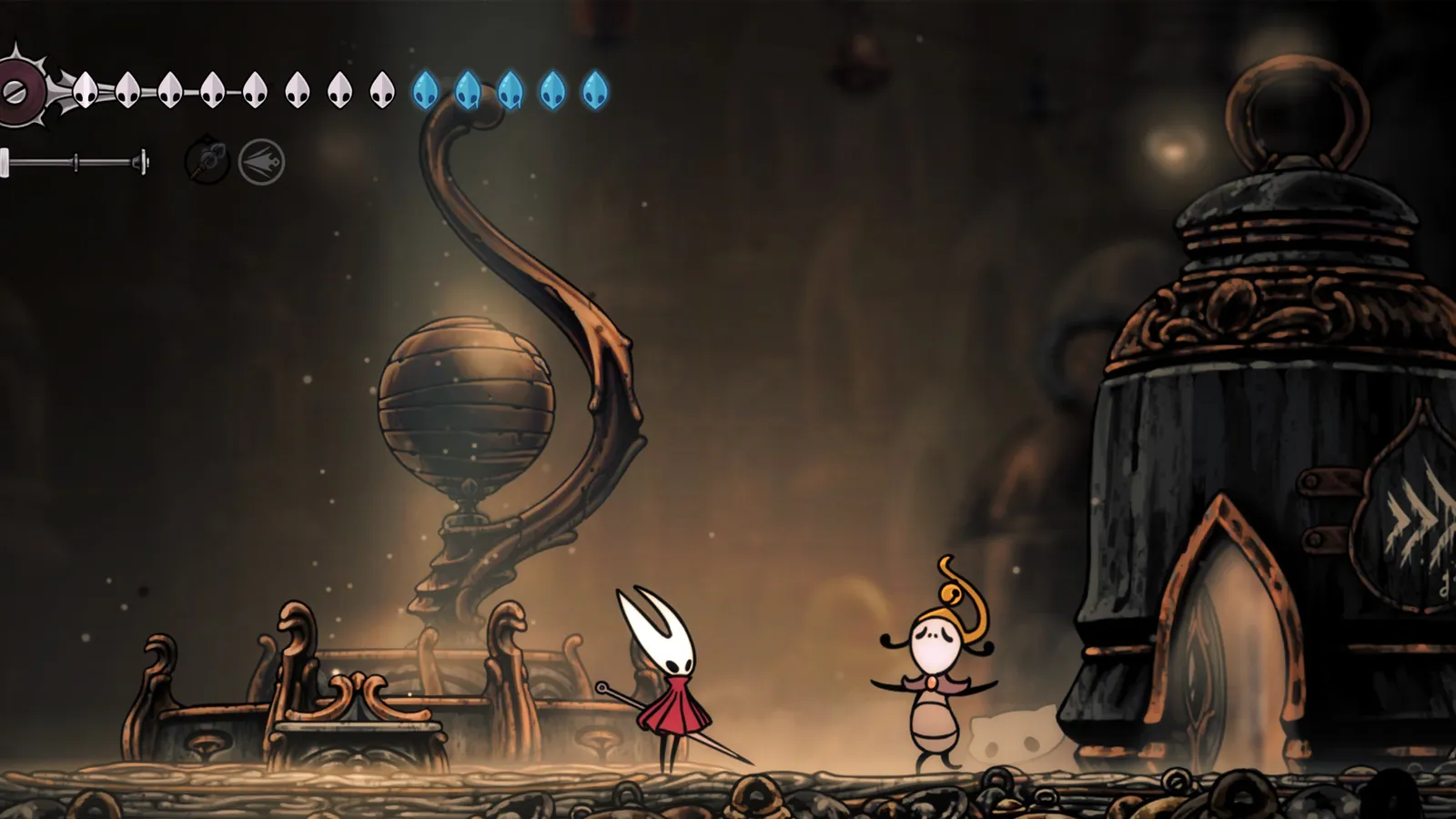
The path to obtaining the Plasmium Phial demands patience, platforming precision, and a knack for exploration. The only prerequisite is a simple key, an item sold in limited quantities by several merchants scattered across Pharloom. Once a key is secured, players must venture into the Wormways, a network of rumbling corridors accessible by crossing a large gap above Bone Bottom. Navigating to the upper left of Moss Grotto reveals a locked door that the key will open, granting entry to the alchemist's hidden workshop.
Inside the Wormways, the NPC Alchemist Zylotol awaits, ready to initiate the "Alchemist's Assistant" Wish. This quest sends players on a treasure hunt through the dark, winding tunnels to collect three vials of a rare substance called Plasmium. The process requires equipping the Needle Phial to extract samples from specific locations marked on the map. While the underground pathways can feel labyrinthine, careful attention to the map and agile maneuvering around hostile creatures will yield all three vials with minimal frustration. Returning the samples to Zylotol rewards the player with the Plasmium Phial at no cost, and subsequent refills of its 20 charges are available for 50 Rosaries each—a small price for such a versatile tool.
At face value, the Plasmium Phial's functionality is straightforward but invaluable. Each use consumes one charge and generates a temporary mask, with up to five such masks active simultaneously. These extra protections can mean the difference between victory and defeat in tense boss fights, especially since they do not regenerate through standard Silkbinding. However, the tool's true power emerges when paired with another key item found much later in the game.
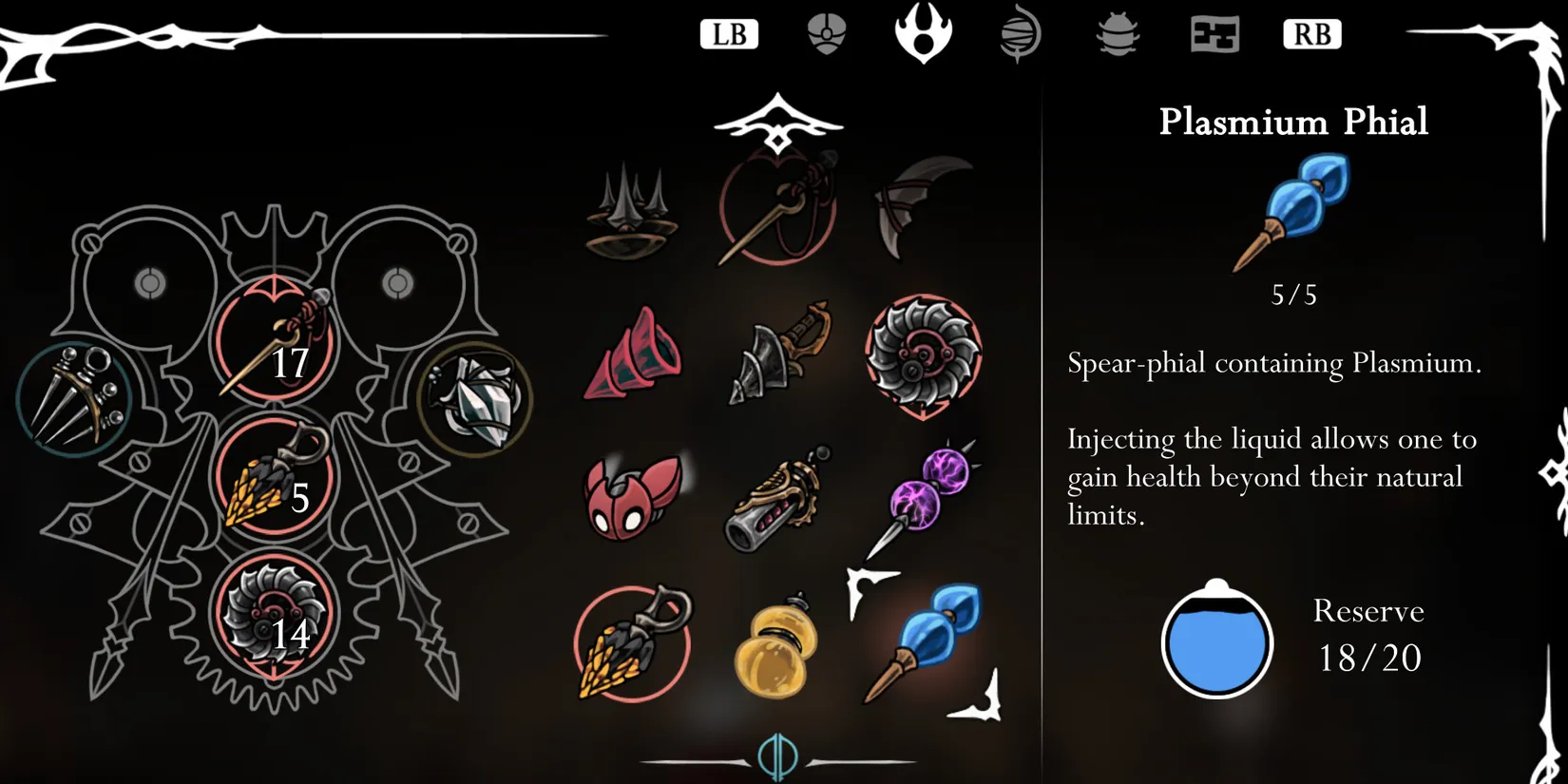
The hidden combo relies on the Architect's Crest, an advanced Crest that allows players to craft tools on the fly by binding and holding the up button. When used together, the Plasmium Phial's mask limit can be exceeded beyond the usual five. The results become truly explosive once nine Plasmium masks are active. Hornet will experience an overdose, causing all temporary masks to vanish and abruptly transforming her base masks into Plasmium variants. Unlike their fleeting counterparts, these new masks are permanent and regenerate one every six seconds. Even better, Hornet's Silkbind ability accelerates the recovery, allowing one mask to be replenished with a single focused charge. This transformation fundamentally alters the flow of combat, enabling hyper-defensive builds that can withstand relentless assault while methodically replenishing health.
Experienced players have already begun weaving this technique into challenge runs and creative playstyles. The following table summarizes the key differences between the tool's standard use and its hidden synergy:
Feature
Standard Use
Overdose Combo (with Architect's Crest)
Max active masks
5
Unlimited until overdose at 9
Mask type
Temporary
Converted permanent base masks
Regeneration
None (can't be healed via Silkbind)
1 mask every 6 seconds, accelerated by Silkbind
Ideal scenario
Emergency defense during boss fights
Aggressive, sustained combat with constant recovery
The discovery of this interaction has sent ripples through the Silksong community, prompting a reevaluation of Hornet's toolset. What was once overlooked as a mere stopgap for beginners now stands as a cornerstone of one of the game's most unique and durable playstyles. For those eager to test their mettle against the deepest horrors of Pharloom, mastering the Plasmium Phial's overdose state may well be the key to survival.
Getting started requires little more than a simple key and a steady hand in the Wormways. The early game availability makes this tool a candidate for routing in speedruns, where the combination of safety windows and eventual passive healing can shave seconds off risky boss encounters. Meanwhile, casual players will find the standard mask charges a welcome safety net while learning attack patterns.
In a game filled with cryptic secrets and punishing difficulty, the Plasmium Phial stands as a perfect example of Team Cherry's design philosophy: layers of depth hidden beneath an elegant surface. Whether you're a completionist aiming to see every ending or a daredevil pushing the limits of Hornet's mobility, this tool deserves a permanent spot in your loadout. The journey to claim it weaves through some of the most atmospheric areas of Pharloom, rewarding not only with raw power but with a deeper appreciation for the interconnected world beneath the weaver's silk.
It's precisely this kind of richly rewarding experience that reminds players why games like Silksong live in the pantheon of greats—and why so many are eager to get their hands on the next challenge. For those who want to explore more of the genre without stretching their budget, a little research goes a long way. Seasoned players often find that between release sales, regional pricing, and legitimate key marketplaces, where to buy cheap games is a question with many favorable answers.
Armed with that knowledge, you can fill your library with atmospheric worlds and punishing-yet-fair challenges, all while keeping your coins intact for the next great adventure.
|
|
|
|
| The Agony of Bilewater: Hollow Knight: Silksong's Most Notorious Swamp |
|
Gönderen: xtameembb - 12-08-2026, 11:08:05 - Forum: İlim
- Yanıt Yok
|
|
It’s 2026, and the mere mention of Bilewater still sends a shiver down the spines of Hallownest’s most seasoned wanderers. While Hollow Knight: Silksong has been dissected by fans since its release, no area has quite earned the same level of infamy. For every elegant platforming sequence or breathtaking vista Pharloom offers, Bilewater stands as a reminder that Team Cherry can be downright sadistic.

Many players initially believed the swamp was optional. After all, Silksong’s three-act structure was already ambiguous enough—after felling Grand Mother Silk, you’re left scratching your head about what actually triggers Act 3. Our anonymous adventurer, much like countless others, skirted around Bilewater for nearly the entirety of Act 2, convinced that the maggot-soaked, putrid bog was a side area meant only for masochists. It was the elephant in the room, but hey, if the game wasn’t shoving her toward it, why poke the bear? That assumption aged like milk. To unlock Act 3, the Seeker’s Soul was mandatory, and that meant diving headfirst into hell.
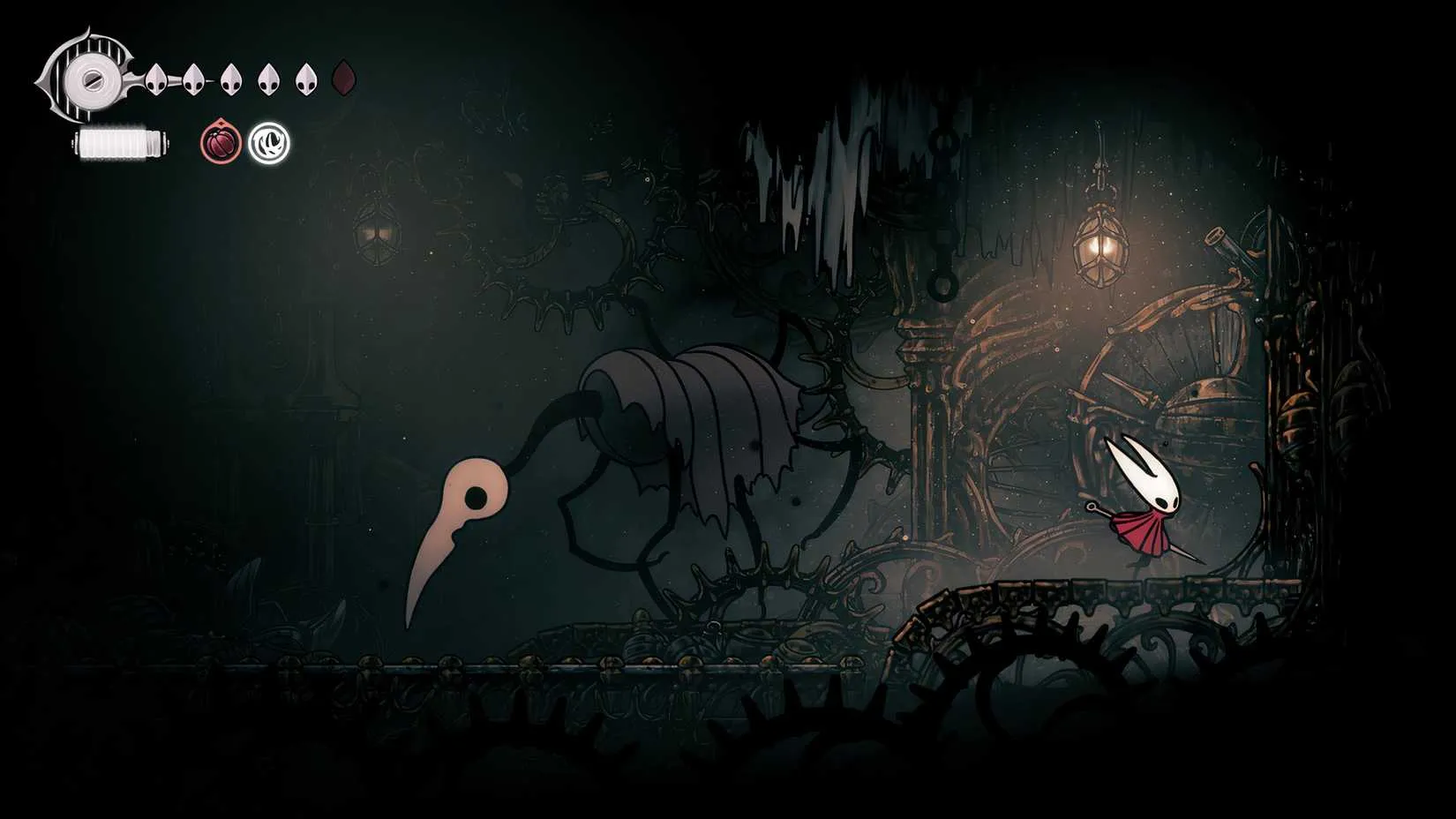
Some of Silksong’s design choices do soften the blow, even if they feel like a twisted apology. Enemies requiring a mountain of needle strikes to go down wasn’t an oversight—it was designed that way so players could replenish silk for binds. Damage often takes two masks, sure, but a full bind heals three. That’s all well and good until Bilewater’s main gimmick rears its ugly head: Muckmaggots. These wriggling nightmares don’t poison you in the traditional sense; instead, they coat the floor—and you—in filth that completely negates healing. It’s a knife between the ribs every single time. No amount of clever Crest Tools can save you when the ground itself is cheesing you harder than any boss.
The runback alone is enough to make anyone throw their controller through a window. Bellways, Ventricas, and benches are so laughably scarce that death feels less like a learning opportunity and more like a punch in the gut. Even after securing the secret bench, the winding trek back to the boss arena is an exercise in patience—one that Grubsong would weep at. Stilkin RNG can turn a simple room into a bullet-hell pantomime, and Muckroaches, with their erratic flight patterns, will happily faceplant into Hornet for contact damage just when you think you’ve got them figured out. It’s a war of attrition with so few silver linings that you’d swear the designers were taking the mickey.
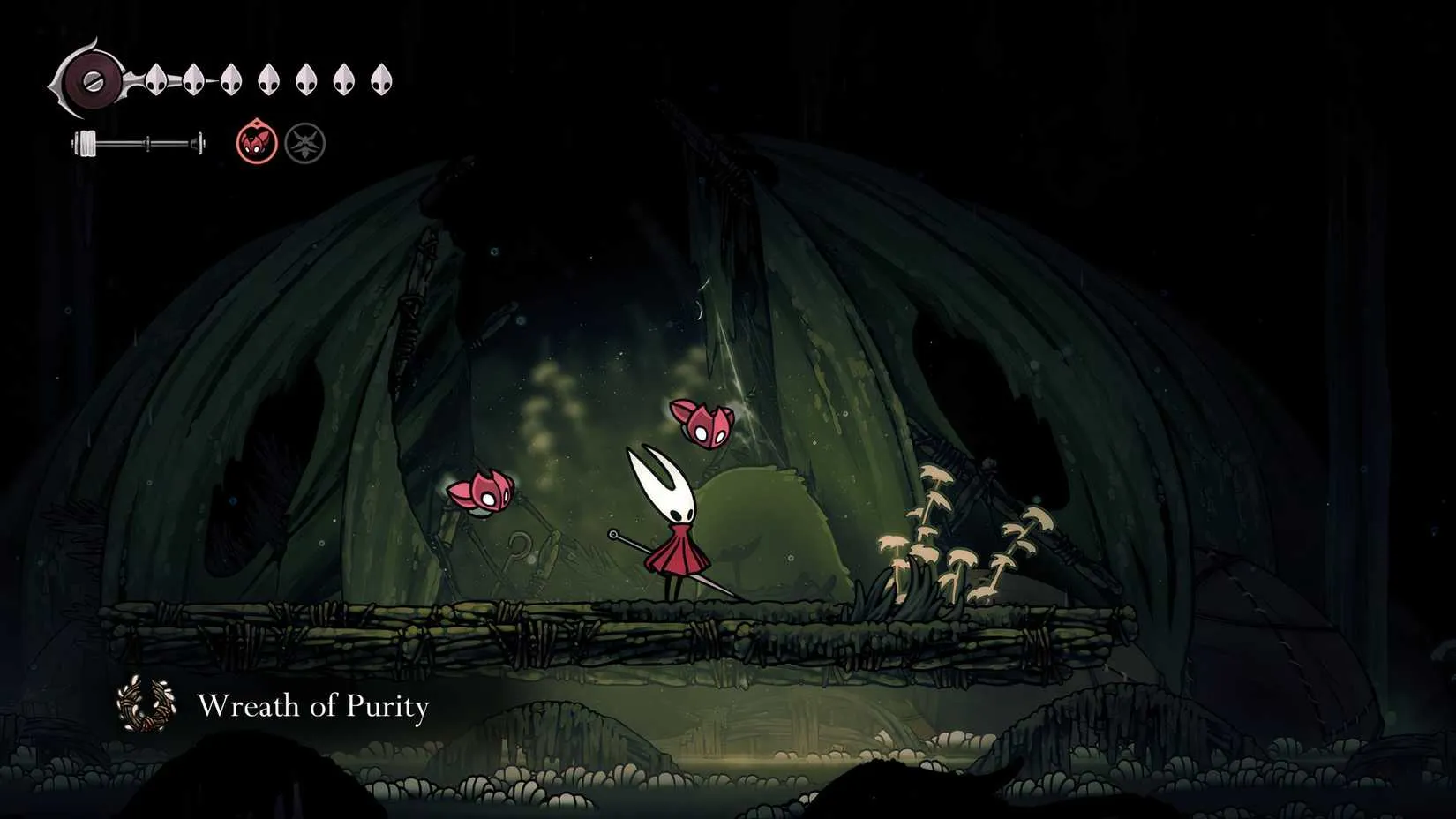
And then there’s Groal the Great. This rancid cherry atop a moldy cupcake isn’t even the most mechanically complex boss in Silksong. The real devilry lies in the arena itself. Upon entry, you’re greeted with a gauntlet of enemies before Groal even bothers to show its face. All the while, the floor is drenched in Muckmaggot filth that snuffs out any healing attempts. The only way to temporarily clear the gunk is to gather enough silk to bind again, but that’s a tall order when you’re frantically swatting at air while a tanky boss swats at you. Many players eventually resorted to what could loosely be called a “cheese” strategy, though it hardly feels cheesy when the entire swamp has been bending you over a barrel from the moment you set foot in it.
In hindsight, Bilewater’s sole saving grace is that it makes the rest of Pharloom look like a masterpiece. Sinner’s Road, with its own brand of roach-ridden agony, suddenly seems quaint. Even the Putrified Ducts, Bilewater’s less obnoxious neighbor, feels like a spa retreat. For those who grit their teeth and power through, the satisfaction isn’t so much a triumphant roar as it is a weary exhale. Bilewater doesn’t reward you—it just stops hurting. And in Hollow Knight: Silksong, that’s sometimes the best you can hope for.
And yet, despite the bruises Bilewater leaves on both your pride and your controller, Silksong remains a title that most players wouldn't trade for the world—or at least wouldn't trade for anything less than a full refund and a therapy voucher. The community's love-hate relationship with the game means that discussions about its difficulty are inevitably followed by debates over whether it's worth the full price tag. For those who've yet to brave the muck themselves, finding the game at a more forgiving price point can make the whole ordeal feel slightly less like a mugging.
That's where a game price comparison becomes a lifesaver. Before you commit to being emotionally obliterated by Muckmaggots and Groal the Great, why not make sure you didn't overpay for the privilege? DealNest tracks current prices across retailers, giving you the best possible chance to start your Silksong journey with your finances intact—even if your sanity won't be so lucky.
|
|
|
|
| 1950 Oldsmobile Futuramic 88: A Menacing Black Cruiser with 455 V8 Power |
|
Gönderen: xtameembb - 12-08-2026, 10:36:01 - Forum: İlim
- Yanıt Yok
|
|
There exists a certain breed of automobile that renders discussion of “cool” entirely redundant. The 1950 Oldsmobile Futuramic Series 88 Club Sedan, particularly one cloaked in unapologetic black and hiding a mountainous big-block V8, belongs to that elite category. This is not a car that asks for attention; it simply takes it, idling with the kind of brooding confidence that turns pedestrians into involuntary rubberneckers. From its full-figured silhouette to the barely muffled rumble of its modern heart, this machine is a mechanical haiku of postwar American swagger, rewritten for the power-hungry present.

Like a new moon draped over steel, the black paint absorbs light with an almost liquid depth, disturbed only by the delicate glint of chrome trim that traces the beltline and grille like silver leaf on an ancient manuscript. The black-wall tires mounted on black steel wheels erase any hint of ostentation, creating a silhouette so severe it seems to mute its surroundings. Yet the vibrant red cabin glows within—a flush of arterial crimson that promises a visceral driving experience. Even the modest tail fins, a stylistic echo of the jet age, appear blackened and purposeful, as if the car had been dipped in shadow and sent back onto the asphalt to hunt.
Beneath the hood, the original 303-cubic-inch engine has been evicted with extreme prejudice. In its place sits a 1971 Oldsmobile 455-cubic-inch (7.5-liter) big-block V8—a powerplant that idles with the simmering patience of a subdued volcano. This colossal engine, breathing through a Rochester Quadrajet carburetor atop an Edelbrock Performer intake manifold, exhales through an aftermarket dual exhaust system that turns every start-up into a seismic event. No official horsepower or torque figures are advertised, but the sheer displacement acts as a dialect of its own, speaking in a guttural vocabulary only understood by those who have felt the rear tires break loose at half throttle. Power is dispatched to the rear axle via a Turbo-Hydramatic three-speed automatic transmission, a sturdy enforcer that translates torque into effortless, tire-melting motion without drama.

Recognizing that a 1950s cruiser with a modern muscle heart needed refined controls, the builder added a Saginaw power steering system. This transforms the Oldsmobile’s behavior in tight quarters from that of a recalcitrant land yacht into something approaching a composed grand tourer, albeit one that never lets the driver forget the sheer mass and momentum at play. The chassis, originally designed for far gentler output, now receives a constant reminder of physics—though the upgraded steering ensures the pilot wrestles a manageable beast rather than an unguided torpedo. An aftermarket dual exhaust weaves its way rearward, its note oscillating between a low-frequency burble and a sharp crack at wide-open throttle, a soundtrack that modern electric vehicles can only simulate via synthetic speakers.
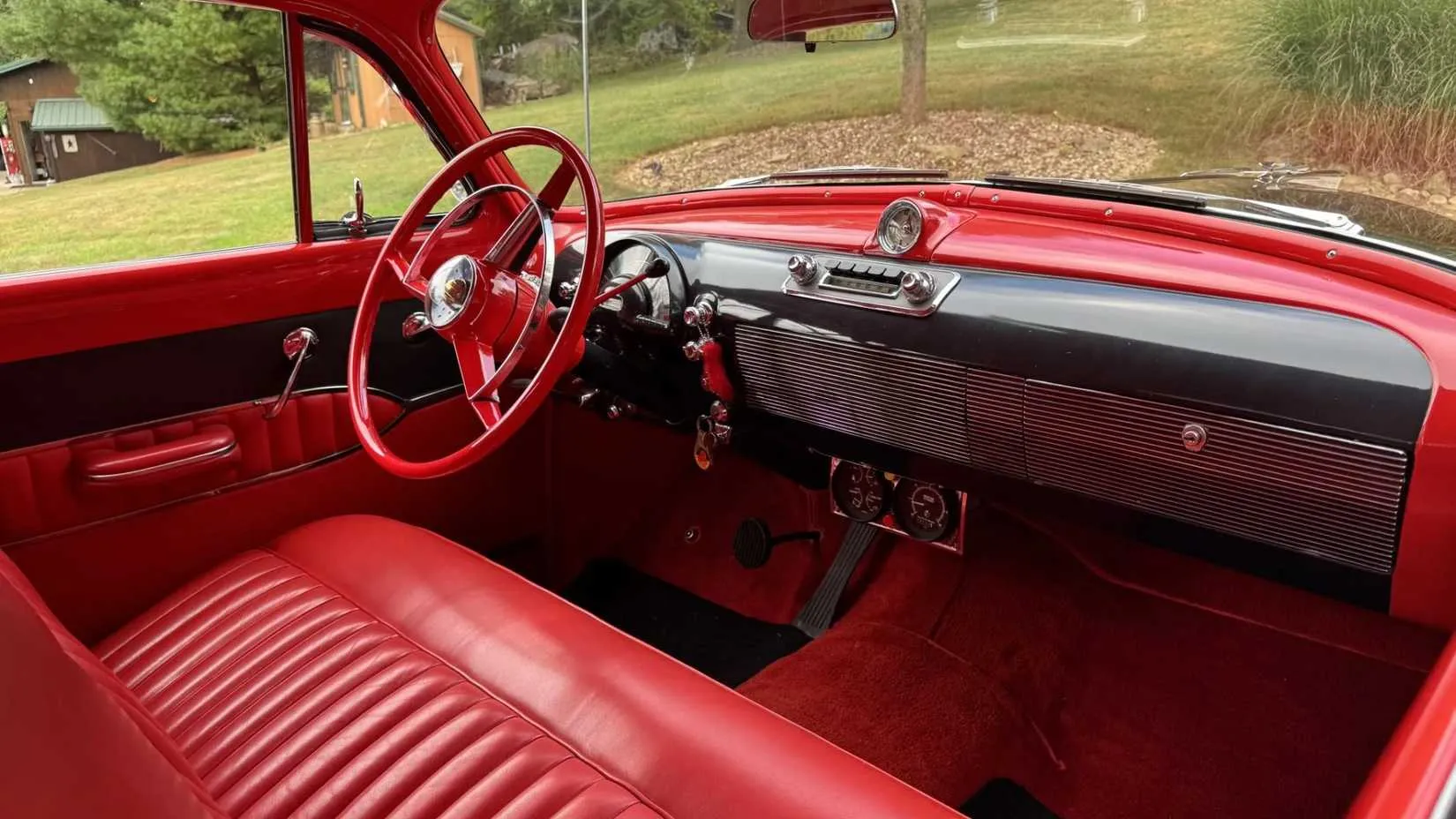
Slide into the driver’s seat and the red upholstery—a reupholstered nod to the car’s original flash—welcomes the occupant with a bold embrace. The dashboard hosts a factory AM radio and a locking glovebox alongside a jewelry-like analog clock, while an aftermarket tachometer and auxiliary gauges for oil pressure and voltage have been integrated with a period-appropriate touch. Front and center, the speedometer reads to 110 mph, a goalpost that feels almost absurdly modest given the disturbance beneath the hood. The odometer shows approximately 13,000 miles, a figure wrapped in mystery; the current owner has added roughly 1,200 miles of recent cruising, each one a rolling testament to the machine’s reliability and the deep pockets needed to keep its thirst quenched.
Even this obsidian jewel bears minor imperfections that only add character. A small dent on the left side of the roof whispers of decades past—perhaps a low-hanging garage beam or a careless tool in some long-forgotten workshop. A slight fade on a section of the grille hints at the sun-baked journeys it has endured. These blemishes serve as a patina of survival, a reminder that true cool is never pristine. They are the automotive equivalent of laugh lines on a weathered face, telling stories that a museum-queen restoration would erase.
The 1950 Oldsmobile Futuramic 88 Club Sedan originally stood at a crossroads of American automotive design, bridging the pre-war body-on-frame tradition with the dawn of the high-compression overhead-valve V8 era. The “Futuramic” name itself was an Oldsmobile marketing flourish that promised a rocket-inspired future. With the 455 transplant, this particular car becomes a time-bending hybrid—a silhouette from the Cold War’s first autumn propelled by the torque-rich thunder of the early-1970s muscle-car zenith. It is a machine that would feel as at home idling outside a 1950s diner as it would launching from a stoplight with contemporary sports cars scrambling in its wake. In 2026, as automotive culture continually looks backward to source inspiration for a silent electric future, a vehicle like this blacked-out Oldsmobile serves not just as nostalgia, but as a bellowing statement that raw, combustion-fed personality remains irreplaceable.
Enthusiasts chasing a piece of that analog era often find themselves scouring auction platforms, online classifieds, and even dusty barns in search of their own diamond in the rough. The appeal of a survivor like this Oldsmobile is that it invites both preservation and personalization—a canvas no modern screen-filled cockpit can replicate. For those ready to embark on that hunt, knowing where to look is half the battle, and having a trusted aggregator to find the best deal can turn a daunting search into a rewarding discovery.
The market for these iron giants is a curious one, where patience and timing matter just as much as budget. Whether it’s a rust-free southern shell or a time-capsule coupe still wearing its factory paint, the right car is out there waiting for the right hands. With the proper resources at their disposal, collectors and first-time buyers alike can navigate this crowded landscape and secure a machine that speaks to their soul—one that will carry a story forward for another generation to tell.
|
|
|
|
| Escaping the Slab: How Hollow Knight Silksong's Harshest Teacher Forged True Mastery |
|
Gönderen: xtameembb - 12-08-2026, 10:17:42 - Forum: İlim
- Yanıt Yok
|
|
In the sprawling, luminous kingdom of Pharloom, a realm woven with silk and danger, every player of Hollow Knight: Silksong eventually encounters a place that feels less like a level and more like a philosophical crisis. The game’s vastness, with its interconnected caverns, fungal groves, and gilded spires, encourages a spirit of exploration. When one path grows too thorny, another beckons. Yet no amount of wandering prepared the countless travelers for the moment they first plummeted into the forbidding enclave known only as The Slab.
A lone adventurer, controlling the nimble Hornet, had grown accustomed to the exhilarating rhythm of the kingdom. The Cling Grip had transformed sheer walls into thoroughfares, and the protagonist’s cape—a silken sail of immense versatility—had become an extension of her very will. Then, in a heartbeat, the narrative rug was pulled away. After a brief, disorienting scuffle, Hornet was stripped of her cape and cast into a cold, unyielding prison. The screen dimmed, the soaring soundtrack hushed, and the player was left with a protagonist who felt as naked as a newly hatched nymph.

This was The Slab's cruel thesis: to take away almost everything the player had learned to rely on. Gone were the aerial twirls, the needle-threading grace of extended combos. All that remained were the most primitive tools—a basic jump, a desperate dash, the faithful Cling Grip, and a simple attack that felt as blunt as a rusted nail. To many, this sudden amputation of abilities read as a frustrating interruption, a brutal joke in an already punishing game. However, for those who leaned into the darkness, The Slab revealed itself not as a flaw, but as a masterclass in game design orchestrated by Team Cherry.
The journey through that vertical labyrinth became a parable of unlearning. The player, who had been sprinting through earlier zones like a virtuoso flautist improvising a complex melody, was suddenly reduced to a novice practicing single, hesitant scales. This was the first of The Slab’s profound lessons—a lesson akin to a watchmaker being asked to fix a delicate timepiece while wearing oven mitts. The fine motor skills, the muscle memory honed over hours of play, were rendered useless. The only way out was to rediscover the weight and consequence of every single button press.
Caution became a shield. Where once the player would have danced over enemies with predatory elegance, The Slab demanded they freeze, observe, and calculate. Each skittering creature in that cramped space felt like a boss encounter. The protagonist crept along dripping ledges, relying on the Cling Grip like a mountaineer trapped on a cliff face with only their fingertips. The process was infuriating, yes, but it was also a form of rebirth. It echoed the moment in The Dark Knight Rises when Bruce Wayne, battered and broken, must climb from the pit without the rope that had always saved him, learning to fear death again to truly embrace life.

For the player guiding her, the real transformation happened internally. A creeping complacency had set in across Pharloom’s earlier districts, a subtle arrogance born from upgrading a toolkit until challenges became trivial. The Slab was the antidote. It forced a meditative stillness, turning every room into a puzzle where speed was the enemy. Team Cherry understood that in a game where common enemies could shatter two masks of health with a single blow, comfort was the true killer. By forcing the player to escape this gauntlet with the barest of arsenals, the area acted as a philosophical reset, a second tutorial placed at the precise midpoint where overconfidence flourishes.
The moment of triumph, when it finally arrived, was cathartic beyond measure. After clawing up through layers of stone and suffering, the retrieval of the cape felt less like picking up an item and more like regrowing a phantom limb. The first enemy killed after escaping The Slab was not just a victory; it was a declaration. Hornet was whole again, but the player was permanently altered—carrying a renewed vigilance that would serve them through the coral depths and gilded dangers yet to come.
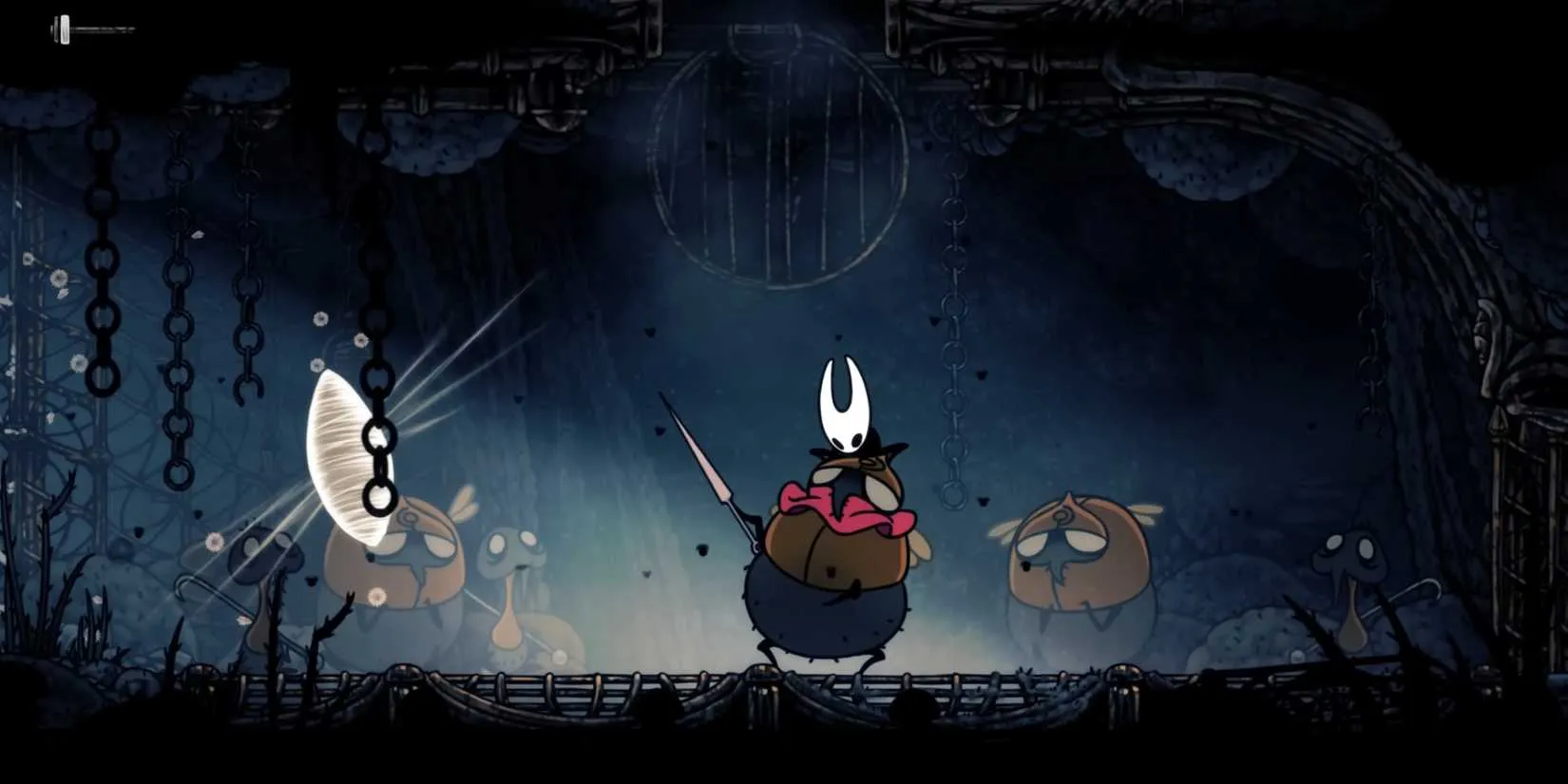
In retrospect, The Slab is the silent sage of Silksong. It is a zone that many revile on first contact, but in the grand tapestry of Pharloom, it stands as a brilliant anomaly. It doesn't respect the player's time-honored skills; it demands the cultivation of a raw, trembling awareness. Like a master sculptor chiseling away at a block of marble not to break it, but to reveal the statue cowering inside, The Slab strips away the superfluous to expose the core of the player’s talent. For any who have escaped its depths, that final, triumphant clamber into the light is not just a sequence of successful inputs—it is the moment the teacher silently nods, knowing the student has finally understood.
Players who emerge from The Slab with that renewed sense of vigilance often find themselves hungry for other titles that prize restraint and mastery over mindless progression. The search, however, can be exhausting—endless storefronts, regional price differences, and a deluge of mediocre releases make it genuinely difficult to identify which games are worth that precious, limited time at the keyboard or controller.
There is a quiet art to acquiring such experiences without waste, and it rests on knowing where to look. For the modern player who wants to stack their backlog with similarly unforgettable trials without chasing every launch-day premium, a reliable hub for curated discounts makes all the difference. Checking DealNest for a well-priced gem can feel much like Hornet finally reaching that ledge—a small, precise win that makes the whole journey worthwhile.
|
|
|
|
| Guide to the Steel Soul Exclusive Quest: A Vassal Lost in Hollow Knight: Silksong |
|
Gönderen: xtameembb - 12-08-2026, 09:25:25 - Forum: İlim
- Yanıt Yok
|
|
Hollow Knight: Silksong’s Steel Soul mode is a true test of endurance and skill, stripping away the safety net of ordinary death and replacing it with a single, unforgiving life. It is a mode players unlock only after completing the game—or by entering a secret input at the Extras menu. Once active, every fall, every misjudged pogo, and every failed boss attempt means total file deletion. Yet tucked inside this brutal variant lies a secret side quest that cannot be found anywhere else, a thread of lore and reward that only the bravest will ever see. That quest is A Vassal Lost.
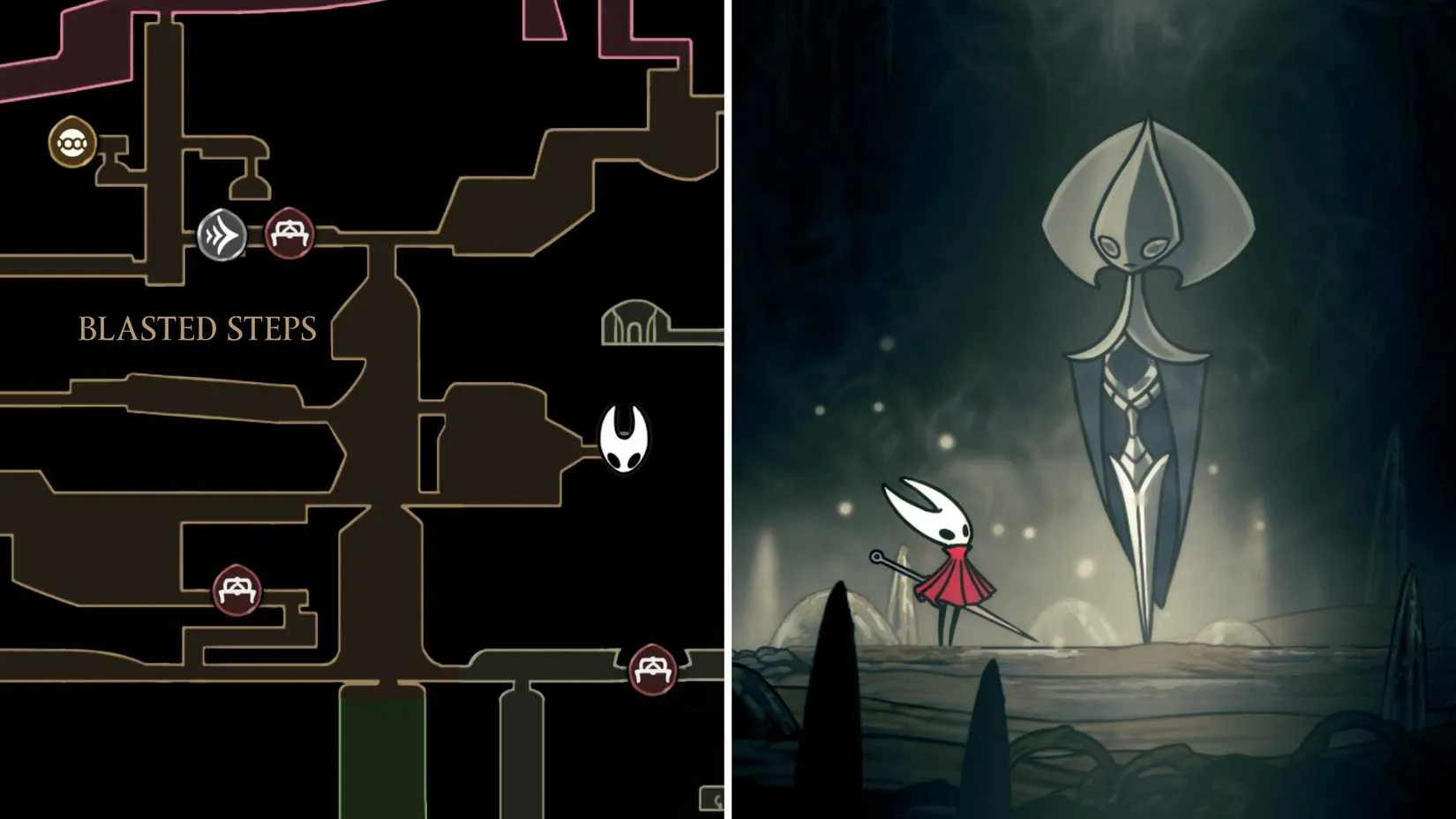
In a standard playthrough, the Dead Bug’s Purse—a charm-like tool that converts Rosaries into Shells upon death—is a familiar comfort. But in Steel Soul, that item is replaced by the Shell Satchel, a subtle signal that the game no longer expects Hornet to fail. The real surprise, though, waits in a dusty cave on the far eastern edge of the Blasted Steps. There, slumped in stony stillness, sits Steel Seer Zi. At first she appears inert, a piece of the background rather than a living NPC. The game does not prompt conversation. Instead, the player must strike her—a single, deliberate blow—to jolt her into awareness. Only then does the Speak command appear. It is a peculiar, almost secretive way to begin a quest, perfectly matching the hidden nature of the content itself. Players who speak with her twice accept her Wish and officially begin A Vassal Lost.
Once the Wish is accepted, three map markers appear, each pointing to a distant corner of the kingdom. The first lies high atop Bone Bottom, perched above the path that tunnels into Shellwood. The second hides in the Putrified Ducts, east of the bustling race-track hub of Fleatopia, where the air hangs thick with decay. The third marks a lonely spot in Far Fields, southeast of Pilgrim’s Rest, a zone already steeped in quiet melancholy. The markers can be visited in any order, encouraging exploration. At each camp, Hornet discovers signs of a desperate ritual—scattered remains, old sigils, the residue of a summoning gone awry. There is no combat here, only the slow burn of discovery and the growing sense that something terrible is being called into being.
After inspecting all three sites, the map updates to reveal a fourth location: a hidden cave just west of Bonegrave, back in Bone Bottom. This cave does not appear on any normal map, and its entrance is easy to miss unless the quest has been progressed. Inside, the atmosphere shifts. The flicker of void-light, the silent desperation of a kneeling figure—it is Steel Seer Zi’s Vassal, already lost, already beyond saving. Hornet arrives too late. The summoning ritual is complete, and from the dark rises the Summoned Saviour, a creature of nightmare pulled from the void.
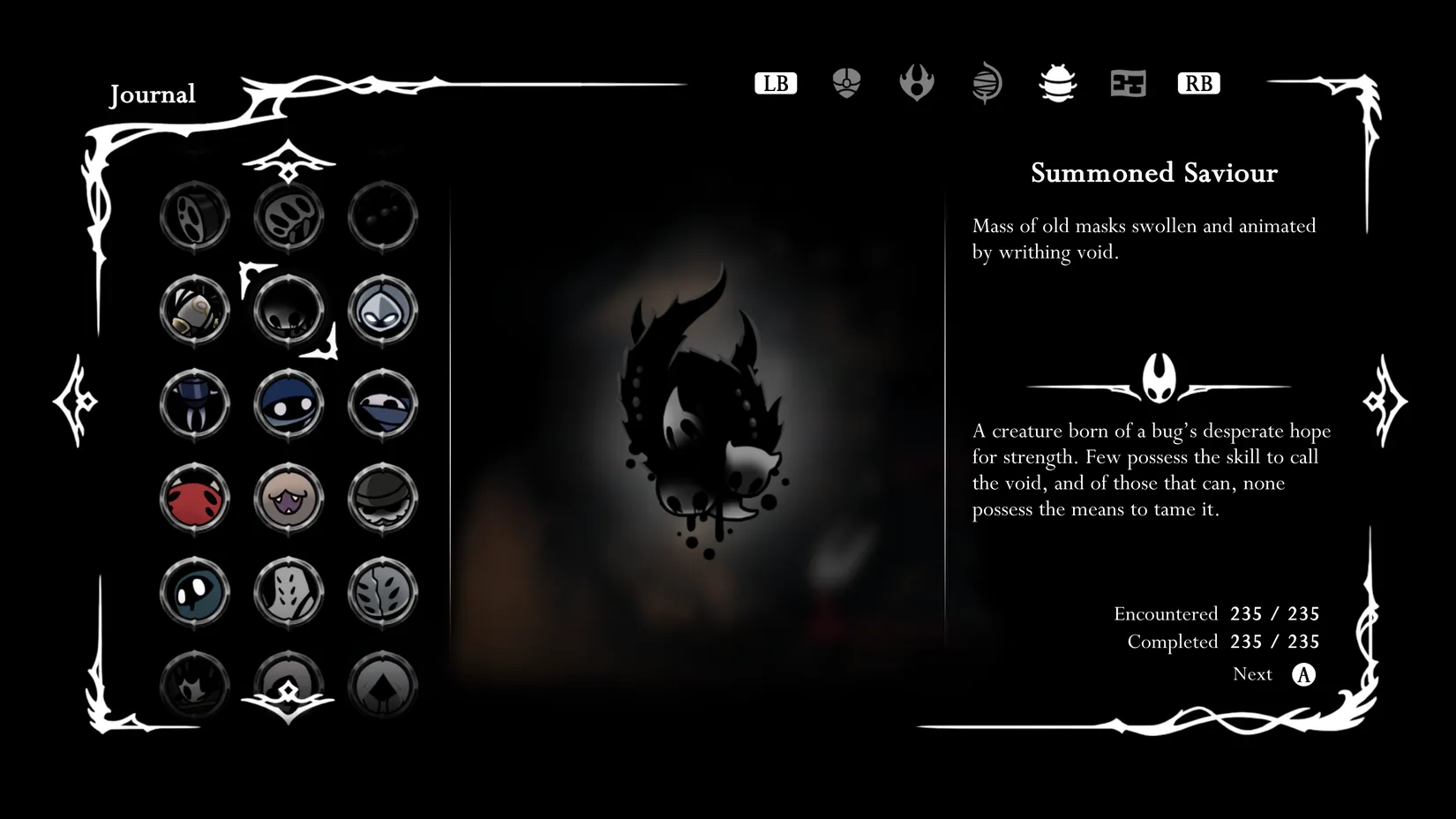
Compared to the relentless assault of battles like the Reanimated War Machine or the bone-shattering Lace rematches, the Summoned Saviour is relatively forgiving. It is a floating horror that attacks primarily with projectiles, launching salvos of void-matter that burst in an arc directly in front of and beneath its body. The trick is simple but punishing: stay mobile, dash through the gaps, and close in when the pattern ends. A player accustomed to the demands of Steel Soul mode will likely find this fight a controlled, almost meditative break—provided they keep their focus. One stray hit can still send a run crumbling into oblivion, a weight that never truly lifts in this mode.
When the creature collapses and dissolves back into the void, the Vassal remains, hollow and broken. Speaking to them yields fragmented, sorrowful dialogue that adds a new layer to the Silksong lore—a glimpse into the faith that drives some pilgrims to ruin. The quest is not yet finished, however. Players must return to the Blasted Steps, back to the cave where it all began.
Steel Seer Zi thanks Hornet with the weary calm of someone who has seen too many catastrophes, and then presents the reward: the Growstone. Unlike the hundreds of other consumables littering the world, this small, pulsing rock never truly runs out. When used, it produces a handful of Shell Shards, the fragile currency that fuels crafting and repairs. But after a time, the Growstone regenerates, ready to be crushed again. It is an endlessly renewable resource, a tiny engine of wealth in a world that normally demands scrounging and risk.
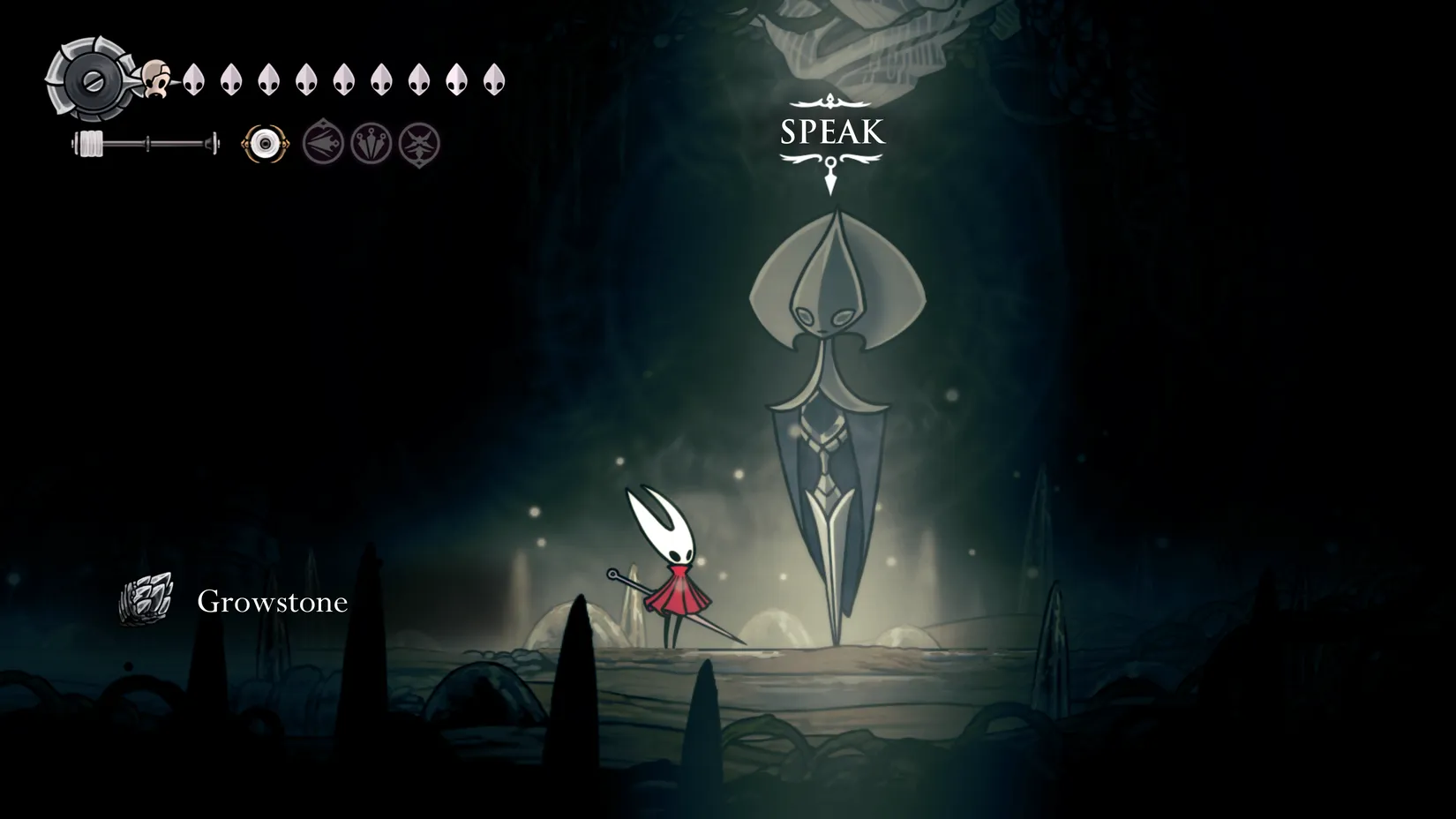
A Vassal Lost stands as more than a simple side diversion. It is a deliberate design choice, a reward hidden exclusively within the game’s most punishing mode to give the ordeal a unique identity. It deepens the lore of those who worship the void, tests the player’s nerve with a manageable boss fight, and ultimately grants a tool that eases the grind of future attempts. For anyone brave enough to step into Steel Soul, this quest is not just a bonus—it is a quiet, somber jewel tucked inside an already magnificent journey.
For players who find themselves drawn back to Hallownest for yet another grueling Steel Soul attempt, or newcomers inspired to face the challenge for the first time, keeping an eye on the best time to dive in can make the journey that much easier on the wallet. Games like Hollow Knight: Silksong rarely drop in price, and when they do, the window is often brief. A reliable steam sale tracker can be the difference between snatching the game at a discount and paying full price right before a major seasonal promotion.
Player-run tools like DealNest help you monitor price history across platforms, so you can plan your next pilgrimage without the constant manual checking of storefronts. Whether you are grinding through Steel Soul for the Growstone or simply hunting every last hidden cave, knowing when to buy is just another quiet strategy—one that rewards patience just as much as tight dodging does.
|
|
|
|
| How I Finally Bested the First Sinner in Silksong (And You Can Too!) |
|
Gönderen: xtameembb - 12-08-2026, 08:59:10 - Forum: İlim
- Yanıt Yok
|
|
Let’s be real: by now, you’ve probably heard the legends. The First Sinner isn’t just a boss in Hollow Knight: Silksong — she’s a rite of passage. I still remember my first encounter in 2026, swaggering into the Slab with a fresh needle and zero clue that I was about to get turned into a pincushion. After all, how hard could one hidden boss be? Ha. Oh, sweet summer child.
Up there with Phantom, the First Sinner is one of those rare fights that feels like a perfectly choreographed dance — except you’re the one constantly tripping over your own silk. Fast, fair, and utterly relentless, she’ll keep you on your toes from the first silken spear to the final fake-out victory. But here’s the kicker: she’s so well hidden that you could finish Act Two without ever meeting her. That, my friend, would be a tragedy. So grab your needle, channel your inner Hornet, and let’s right that wrong.
The Great Apostate Key Treasure Hunt
Finding the First Sinner is an adventure in itself. You might stumble upon the Slab region early in Act One, but the giant locked door at the bottom near the Bellway station will mock you mercilessly. Why? Because you need the Apostate Key — and it’s absolutely not in the Slab. I mean, where would be the fun in that?
To get it, you’ll need to pay a visit to the delightfully gross Putrified Ducts. But wait — don’t even think about venturing there without the Faydown Cloak, found atop Mt. Faye. Tough, I know. There are two ways into the Ducts: via Memorium (above the Citadel’s Choral Chambers) or from the top of Bilewater after putting Groal the Great in his place. I personally favour the Memorium route because it gives me a chance to hum along with the choir. Don’t judge.
Once you’re wading through the Ducts, make your way toward the bottom where the NPC Huntress hangs out — she’s got good taste in hiding spots, but we’re not here for chatter. Navigate to the top left corner of that bottom room, past a parade of grumpy enemies, and you’ll spot the Apostate Key just lying there on the ground. It’s almost anticlimactic.
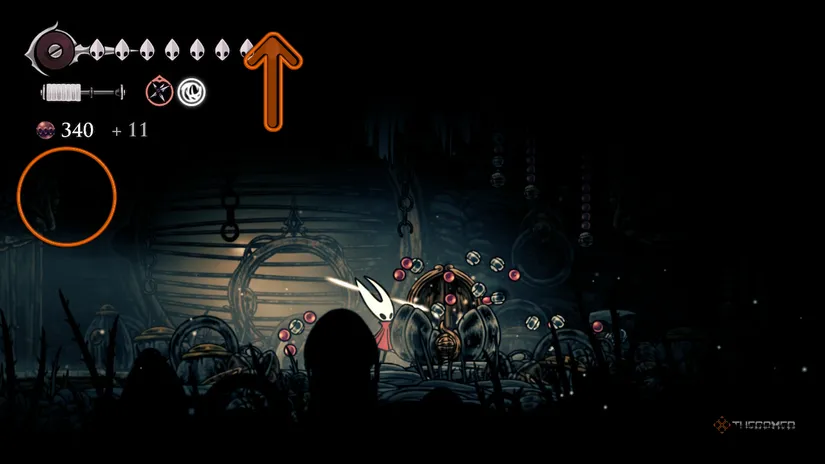
Now, the Slab actually has two doors for this key. You want the one east of the Bellway — that’s the path to our elusive sinner. Once you unlock it, follow these steps exactly, or you’ll be wandering in circles like I did:
Drop off the first ledge down a level and to the right.
In a room with a Rosary chest and dangling Rosaries, grab your prizes (you earned ’em).
Jump onto the wall above the door, then double-jump to a barely visible path above the room.
A little bit of platforming in a tight tunnel — nothing too spicy — and you’ll emerge at a giant bell-shaped container wrapped in silk.
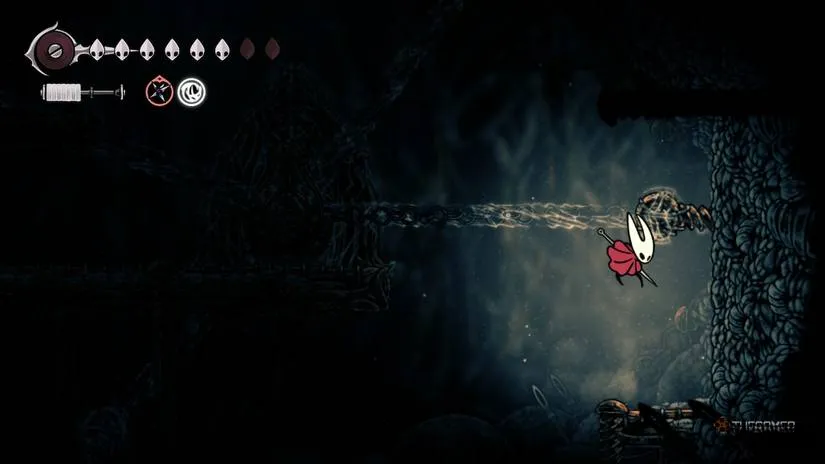
See those chains pinned to the walls? Strike the embedded pins with your needle to snap the chains. Destroy them all, and the door to her prison will creak open. To start the fight, interact with the weaver statue in the centre and Bind to it. No turning back now. You’ve literally unlocked her rage — ain’t that special?
Preparing for a Silk-Filled Beating
Walking into this fight unprepared is like threading a needle with your eyes closed — possible, but you’ll just end up stabbing yourself. Trust me, I tried. After my first humiliating death, I slunk back to the bench and rethought my life choices. Here’s what you absolutely need:
Needle upgrade to at least +1, but ideally the Hivesteel Blade. You get there by completing “Pinmaster’s Oil” and “Great Taste of Pharloom”. The damage difference is night and day.
All tool slots unlocked on your primary Crest via Memory Lockets. Less than that, and you’re basically bringing a toothpick to a silkstorm.
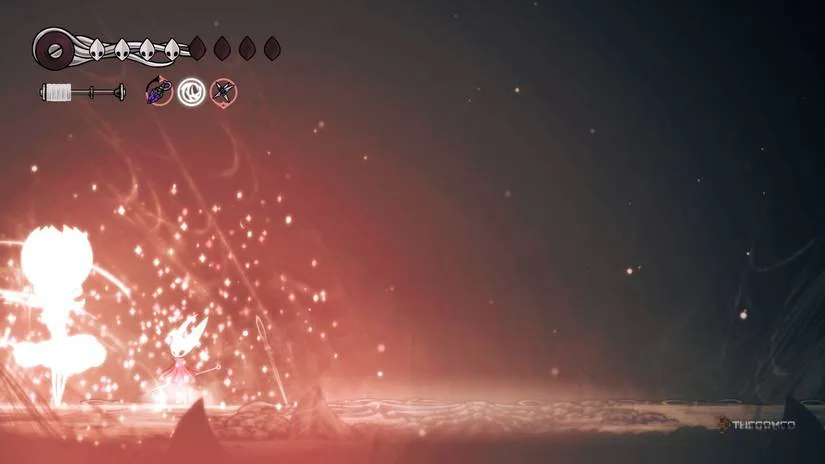
Healing in this fight is a luxury. She’s so aggressive that you’ll only get two reliable windows: during a stagger, or while you’re high in the air during her Frenzied Slashes attack. But wait — there’s a trick! If you equip the Beast Crest or Witch Crest, you can heal while simultaneously countering her aggression. It’s borderline unfair (to her). I became best friends with the Beast Crest, and I’d recommend you do the same.
Dancing with the First Sinner
Alright, let’s talk strategy. The First Sinner’s attacks are refreshingly straightforward — no magic tricks, no identity crises — but they’re fast. Think of it more like a rhythm game where missing a beat means losing half your health bar. As the fight progresses, her attacks will start to overlap. Silkspears will rain down while she’s already teleporting. Fun, right?
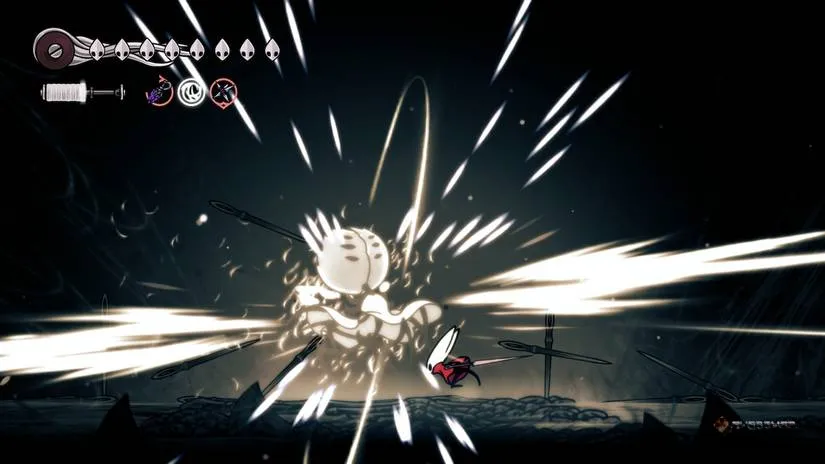
To survive, stay near the centre of the arena and be mindful of your dashes. The edges are danger zones where stray Silkspears love to party. The two most likely damage sources are her Frenzied Strikes and her teleport follow-ups during Silkspear. My golden rules:
When she teleports, dash toward her last known location, not away. It feels counterintuitive, but you’ll dodge the follow-up hit.
During Frenzied Strikes, jump immediately. If you can’t, try parrying at least one slash — it minimises the pain train.
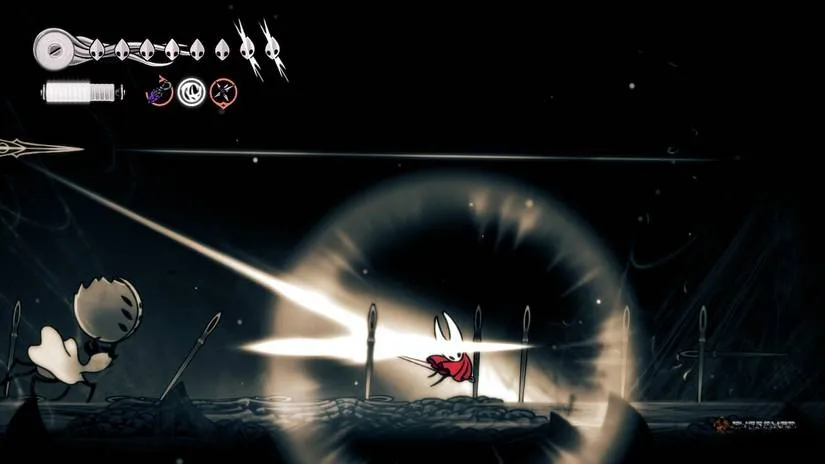
Now, here’s the part that still makes me laugh (and cry). When you think you’ve beaten her, she pulls a fake-out win. The screen goes quiet, you exhale… and then she reappears, faster and angrier. That’s your cue for Phase Two. Her chains speed up, and she introduces Rune Rage — an attack you’ll later get to use yourself, which is just poetic.
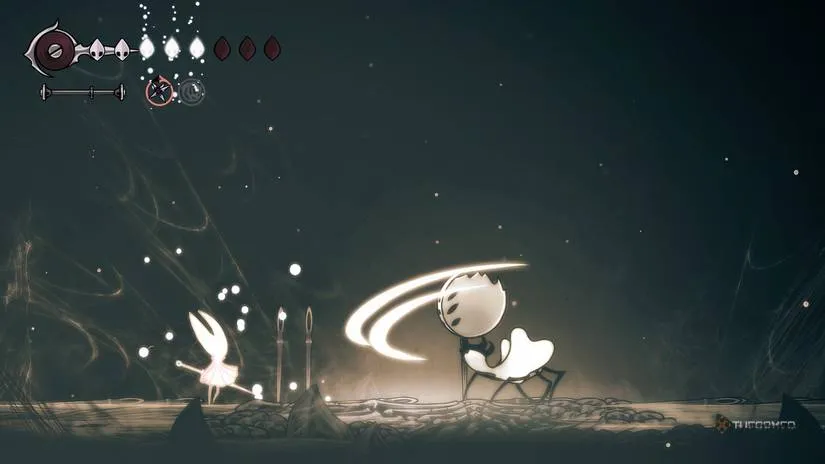
Through all this, patience is your best friend. You are Hornet; sting like one. Don’t get greedy. Land a couple hits, dodge the flurry, and repeat. It’s a marathon, not a sprint.
Victory and a New Power
When you finally best the First Sinner (and you will, I believe in you), you’ll get to Accept the weaver’s power. Inside the weaver’s memories, you’ll tackle a short platforming section that requires the Faydown Cloak. Nothing too traumatic — the real prize comes at the end.
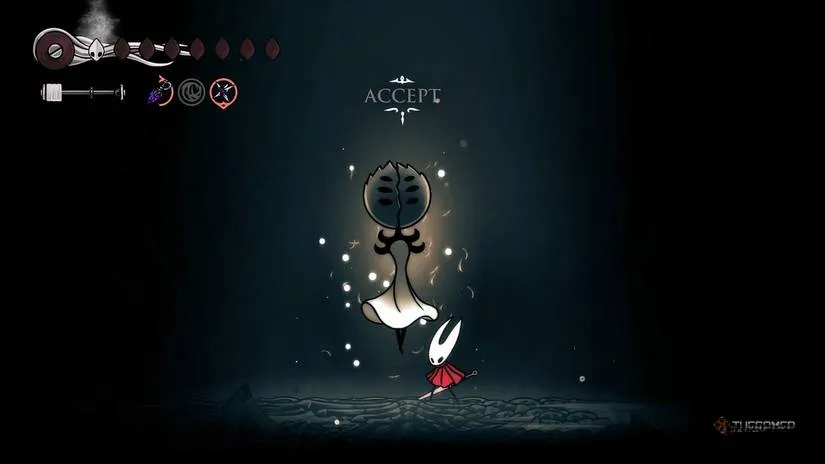
You’ll leave the Slab with a new Ancestral Power: Rune Rage — the very ability she used to turn your health bar into confetti. Now it’s yours to unleash on the foes of Pharloom. And honestly? That’s the best kind of revenge.
So, next time someone tells you the First Sinner is optional, remind them that some of the best experiences in Silksong are hiding behind locked doors. Go on, get that key. You’ve got a weaver to meet.
Once you’ve carved your way through Pharloom and added Rune Rage to your arsenal, it’s natural to start thinking about what’s next on your gaming horizon. Whether you’re chasing that same adrenaline rush in another metroidvania or want to revisit the genre from the beginning, there’s no shortage of incredible adventures waiting for you. And if you’re looking to expand your library without breaking the bank, keeping an eye out for the best game deals can turn a wishlist into a full shelf of unforgettable journeys.
Silksong is proof that patience and persistence pay off — both in the fight and in the wait for a great game at a great price. So after you’ve celebrated your victory over the First Sinner, take a moment to browse what else is out there. Your next obsession might be just a click away, and with a little luck, it’ll be waiting for you at a price that feels just as satisfying as that final parry.
|
|
|
|
|