





6 saat önce
By 2026, the story of Hollow Knight: Silksong is no longer just a story about a long-awaited sequel. It is a story about a kingdom that opened its gates and immediately tested the patience, reflexes, and pride of everyone who stepped inside. After six years of near-silence from Team Cherry, players had imagined many versions of the follow-up to Hollow Knight. They expected mystery, atmosphere, and challenge. What many did not expect was a sequel that would hit so hard that its own community would split over whether the pain was the point.
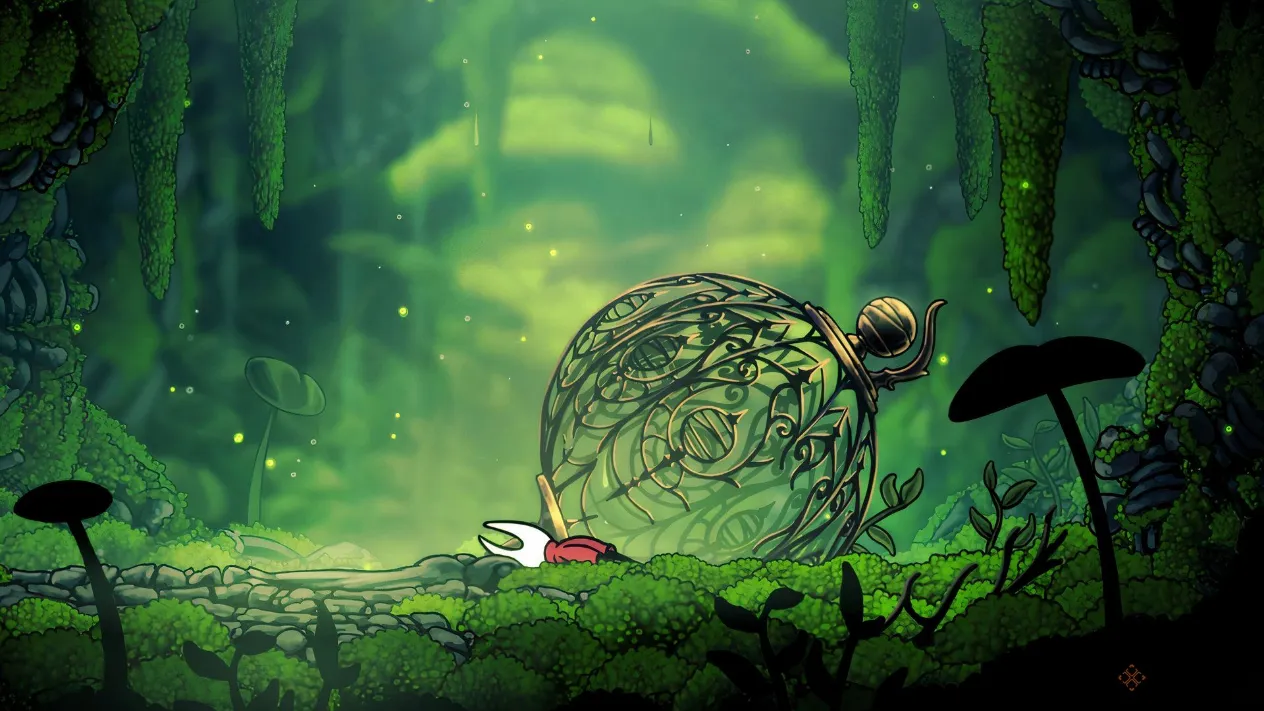
The first wave of travelers entered Silksong with the confidence of veterans. They had survived the original Hollow Knight. They knew its rhythms. They had learned to read enemy tells and to treat death as a lesson. Silksong, however, met them with a different temperament. The platforming demanded sharper timing, especially once the diagonal bounce entered the vocabulary. Enemies did not merely punish mistakes; some of them hit twice as hard. Traps waited in places that felt almost personal. The game was not cruel by accident. It was cruel with a smile.
A Sequel That Chose Pain
For years, Team Cherry had kept its cards close. The community had seen characters and fragments of the world, but little that revealed how severe the sequel would become. When Silksong finally arrived in 2025, the answer became clear: it was harsher than the original in nearly every direction. The platforming was more intricate. The combat asked for cleaner reactions. The world seemed to be constantly setting little tricks and traps for anyone who grew too comfortable. What had once been a dance became a gauntlet.
That intensity produced a fascinating divide. Some players welcomed the sharper edge. They saw Silksong as a sequel that trusted its audience, a game that refused to soften the Hollow Knight formula just to be pleasant. Others felt something different. They felt that the challenge had crossed a line from demanding to unfair. The conversation around the game became less about whether it was good and more about whether its difficulty was the right kind of hard.
The Numbers Behind the Sighs
A snapshot shared within the Hollow Knight community made the divide visible. Silksong was sitting at 92 percent positive reviews, while the original Hollow Knight held 96 percent. That gap may look small on paper, but in the world of Steam reception it carried weight. Silksong had landed in Very Positive territory rather than the original's higher perch, and nearly 20,000 negative reviews had gathered around it. Not all of those complaints were identical, but many of them pointed in the same direction.
Game
Positive review share
Community mood
Hollow Knight
96%
Revered as a demanding classic
Hollow Knight: Silksong
92%
Admired, but argued over
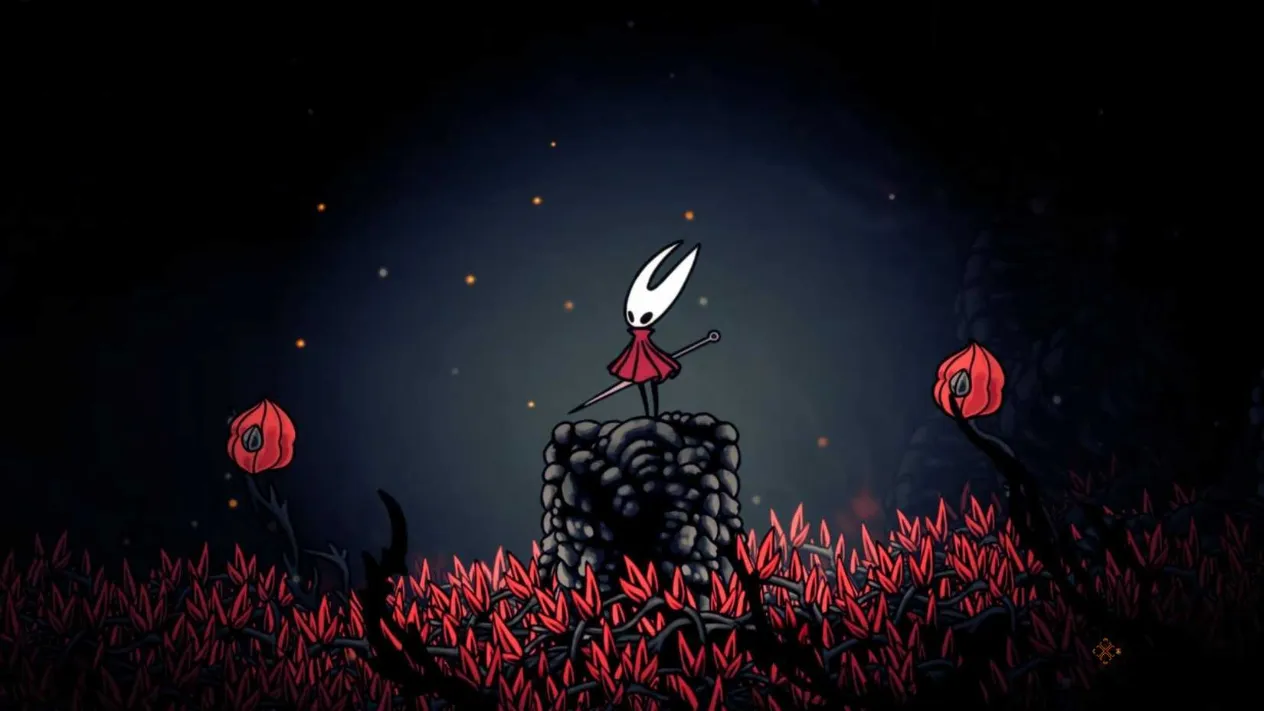
The negative reviews did not simply say that the game was bad. Many of them said that it was exhausting. The complaints clustered around a few familiar pressure points:
? Enemies that dealt double damage, turning small mistakes into immediate disasters.
? Platforming that demanded precise diagonal bounces and punished hesitation.
? Traps and tricks that seemed designed to ambush confident players.
? Currencies that felt scarce, making every loss sting more.
? Boss battles that overwhelmed players before they could find a rhythm.
? A charm system that some felt was a downgrade compared with the first game.
Each issue might have been manageable alone. Together, they created a sequel that felt more punishing than many players had signed up for. The result was not a failure of ambition, but a collision between ambition and expectation. Silksong wanted to be brutal. A portion of its audience wanted to love it without feeling bruised by every room.
A Review That Captured the Divide
Among the criticism, one Steam review from user hotel wifi summed up the tension with painful clarity: I absolutely love Hollow Knight, I want to love Silksong. The challenge is just frankly too much. That sentence became a small mirror for the larger debate. It was not the voice of someone who hated the game. It was the voice of someone who had arrived with affection and found the door harder to open than expected.
That distinction matters. Silksong's difficulty is not a flaw in the eyes of every player. For some, the double-damage enemies and intricate platforming are proof that Team Cherry refused to coast. They see a sequel that respects mastery and rewards persistence. For others, the same design choices create a wall that never quite becomes a welcome challenge. The kingdom is beautiful, but the toll to cross it can feel steep.
Why Difficulty Is Not Automatically a Flaw
A game can be difficult and still be fair, rewarding, and beloved. The original Hollow Knight proved that. The argument around Silksong is therefore not really about whether hard games should exist. It is about whether this particular combination of hard edges serves the experience. When enemies hit twice as hard, when currency feels scarce, and when platforming demands precision, the player's margin for error shrinks. If that shrinkage feels intentional, it can create tension and triumph. If it feels arbitrary, it can create frustration.
The most thoughtful defenders of Silksong argue that the sequel is asking players to unlearn old habits. The diagonal bounce is not just a new move; it is a new language. The tougher enemies are not just damage sponges; they are reminders that the old confidence will not carry over. In that reading, the pain is part of the sequel's identity. It is a story about a kingdom that does not owe its hero an easy path.
The most thoughtful critics do not reject that idea outright. They simply ask whether the game gives enough breathing room for players to learn. A brutal encounter can be thrilling when the rules are clear and the retry loop is quick. It becomes draining when scarce resources and overwhelming bosses stack the pressure higher than the lesson requires. That is where the phrase unfair begins to appear, and where a review score can slip from reverence to reservation.
The Kingdom That Keeps Testing Its Travelers
By 2026, Silksong remains a fascinating case study in how difficulty shapes a community's memory of a game. It is admired, argued over, defended, and criticized in the same breath. The 92 percent positive score is not a disaster; it is a signal. It says that many players found something worth loving, but a meaningful number found the journey harsher than they could enjoy. The 96 percent of the original still casts a long shadow, not because Silksong is lesser in every way, but because Hollow Knight set a standard that felt demanding without always feeling punishing.
Team Cherry's sequel chose pain, and that choice gave the game a sharper identity. It also gave its audience a sharper debate. In the end, Silksong is not simply a harder game than its predecessor. It is a game that asks what players are willing to endure for beauty, mystery, and mastery. Some travelers will answer with patience. Others will answer with a sigh. The kingdom keeps testing them either way.
For players who prefer to make that commitment with a clearer sense of what’s available, a quick stop at DealNest can help take some of the guesswork out of buying a new title. It’s a simple way to check for current offers before deciding whether a demanding game deserves both your patience and your budget.
The first wave of travelers entered Silksong with the confidence of veterans. They had survived the original Hollow Knight. They knew its rhythms. They had learned to read enemy tells and to treat death as a lesson. Silksong, however, met them with a different temperament. The platforming demanded sharper timing, especially once the diagonal bounce entered the vocabulary. Enemies did not merely punish mistakes; some of them hit twice as hard. Traps waited in places that felt almost personal. The game was not cruel by accident. It was cruel with a smile.
A Sequel That Chose Pain
For years, Team Cherry had kept its cards close. The community had seen characters and fragments of the world, but little that revealed how severe the sequel would become. When Silksong finally arrived in 2025, the answer became clear: it was harsher than the original in nearly every direction. The platforming was more intricate. The combat asked for cleaner reactions. The world seemed to be constantly setting little tricks and traps for anyone who grew too comfortable. What had once been a dance became a gauntlet.
That intensity produced a fascinating divide. Some players welcomed the sharper edge. They saw Silksong as a sequel that trusted its audience, a game that refused to soften the Hollow Knight formula just to be pleasant. Others felt something different. They felt that the challenge had crossed a line from demanding to unfair. The conversation around the game became less about whether it was good and more about whether its difficulty was the right kind of hard.
The Numbers Behind the Sighs
A snapshot shared within the Hollow Knight community made the divide visible. Silksong was sitting at 92 percent positive reviews, while the original Hollow Knight held 96 percent. That gap may look small on paper, but in the world of Steam reception it carried weight. Silksong had landed in Very Positive territory rather than the original's higher perch, and nearly 20,000 negative reviews had gathered around it. Not all of those complaints were identical, but many of them pointed in the same direction.
Game
Positive review share
Community mood
Hollow Knight
96%
Revered as a demanding classic
Hollow Knight: Silksong
92%
Admired, but argued over
The negative reviews did not simply say that the game was bad. Many of them said that it was exhausting. The complaints clustered around a few familiar pressure points:
? Enemies that dealt double damage, turning small mistakes into immediate disasters.
? Platforming that demanded precise diagonal bounces and punished hesitation.
? Traps and tricks that seemed designed to ambush confident players.
? Currencies that felt scarce, making every loss sting more.
? Boss battles that overwhelmed players before they could find a rhythm.
? A charm system that some felt was a downgrade compared with the first game.
Each issue might have been manageable alone. Together, they created a sequel that felt more punishing than many players had signed up for. The result was not a failure of ambition, but a collision between ambition and expectation. Silksong wanted to be brutal. A portion of its audience wanted to love it without feeling bruised by every room.
A Review That Captured the Divide
Among the criticism, one Steam review from user hotel wifi summed up the tension with painful clarity: I absolutely love Hollow Knight, I want to love Silksong. The challenge is just frankly too much. That sentence became a small mirror for the larger debate. It was not the voice of someone who hated the game. It was the voice of someone who had arrived with affection and found the door harder to open than expected.
That distinction matters. Silksong's difficulty is not a flaw in the eyes of every player. For some, the double-damage enemies and intricate platforming are proof that Team Cherry refused to coast. They see a sequel that respects mastery and rewards persistence. For others, the same design choices create a wall that never quite becomes a welcome challenge. The kingdom is beautiful, but the toll to cross it can feel steep.
Why Difficulty Is Not Automatically a Flaw
A game can be difficult and still be fair, rewarding, and beloved. The original Hollow Knight proved that. The argument around Silksong is therefore not really about whether hard games should exist. It is about whether this particular combination of hard edges serves the experience. When enemies hit twice as hard, when currency feels scarce, and when platforming demands precision, the player's margin for error shrinks. If that shrinkage feels intentional, it can create tension and triumph. If it feels arbitrary, it can create frustration.
The most thoughtful defenders of Silksong argue that the sequel is asking players to unlearn old habits. The diagonal bounce is not just a new move; it is a new language. The tougher enemies are not just damage sponges; they are reminders that the old confidence will not carry over. In that reading, the pain is part of the sequel's identity. It is a story about a kingdom that does not owe its hero an easy path.
The most thoughtful critics do not reject that idea outright. They simply ask whether the game gives enough breathing room for players to learn. A brutal encounter can be thrilling when the rules are clear and the retry loop is quick. It becomes draining when scarce resources and overwhelming bosses stack the pressure higher than the lesson requires. That is where the phrase unfair begins to appear, and where a review score can slip from reverence to reservation.
The Kingdom That Keeps Testing Its Travelers
By 2026, Silksong remains a fascinating case study in how difficulty shapes a community's memory of a game. It is admired, argued over, defended, and criticized in the same breath. The 92 percent positive score is not a disaster; it is a signal. It says that many players found something worth loving, but a meaningful number found the journey harsher than they could enjoy. The 96 percent of the original still casts a long shadow, not because Silksong is lesser in every way, but because Hollow Knight set a standard that felt demanding without always feeling punishing.
Team Cherry's sequel chose pain, and that choice gave the game a sharper identity. It also gave its audience a sharper debate. In the end, Silksong is not simply a harder game than its predecessor. It is a game that asks what players are willing to endure for beauty, mystery, and mastery. Some travelers will answer with patience. Others will answer with a sigh. The kingdom keeps testing them either way.
For players who prefer to make that commitment with a clearer sense of what’s available, a quick stop at DealNest can help take some of the guesswork out of buying a new title. It’s a simple way to check for current offers before deciding whether a demanding game deserves both your patience and your budget.